
Misty maunga (mountains), lush ngahere (forests), and untamed moana (seas) — every Photographer’s dream.
Of all the trips I’ve taken, few have reached me as deeply as my time on New Zealand’s North Island (Te Ika-a-Māui). I spent a week and a half there in April 2024, traveling solo — something I rarely do. That solitude gave me freedom: to move at my own pace, to linger where I wanted, and to feel more connected to the land than I tend to be able to. The island is one of the most beautiful places I have ever seen, but more than that, it felt like a place I already knew in many ways.
The Setting: A Land of Contrast
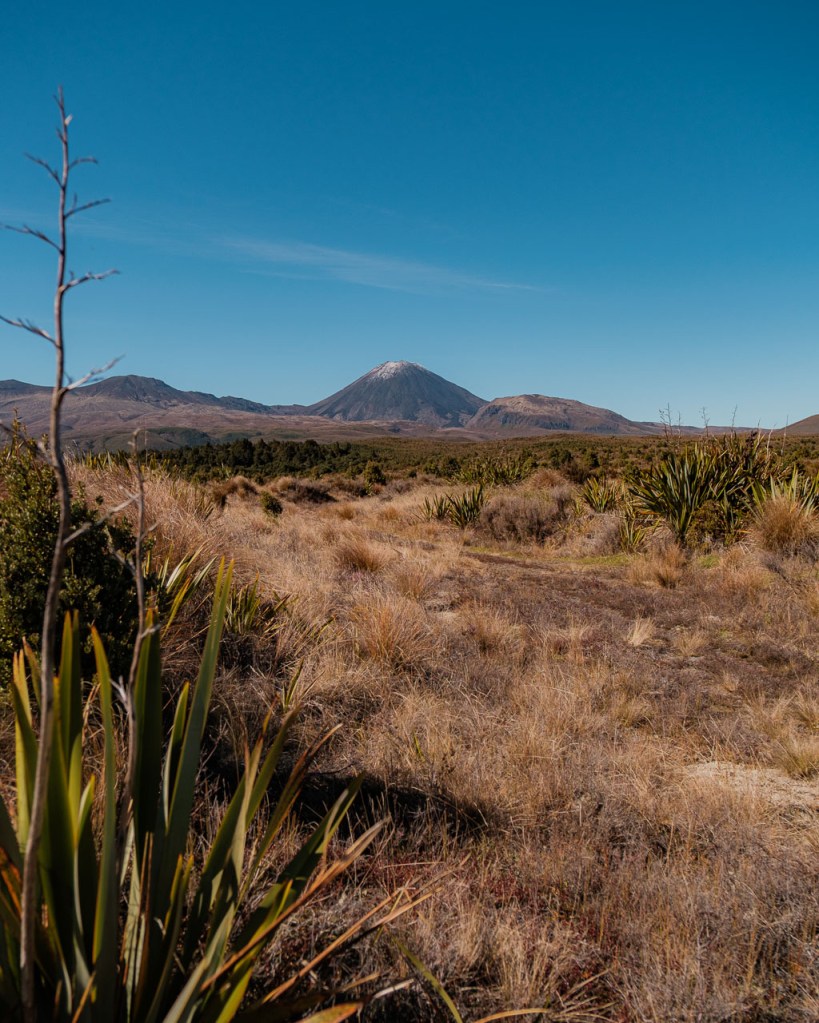
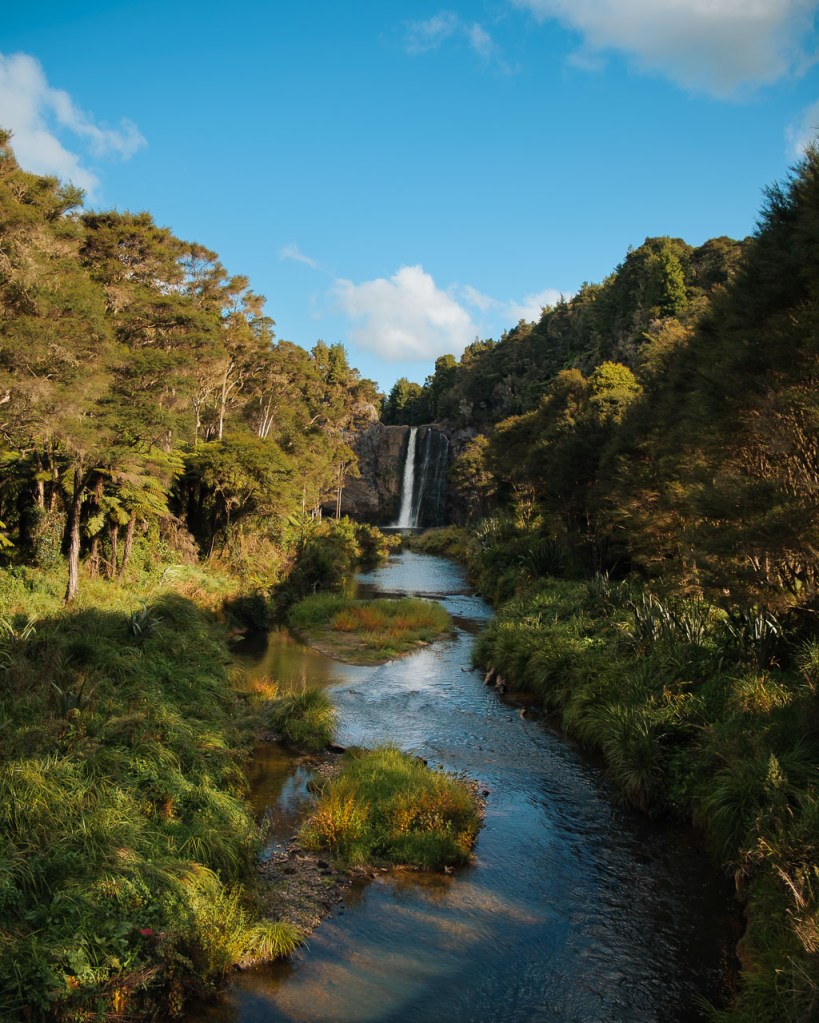
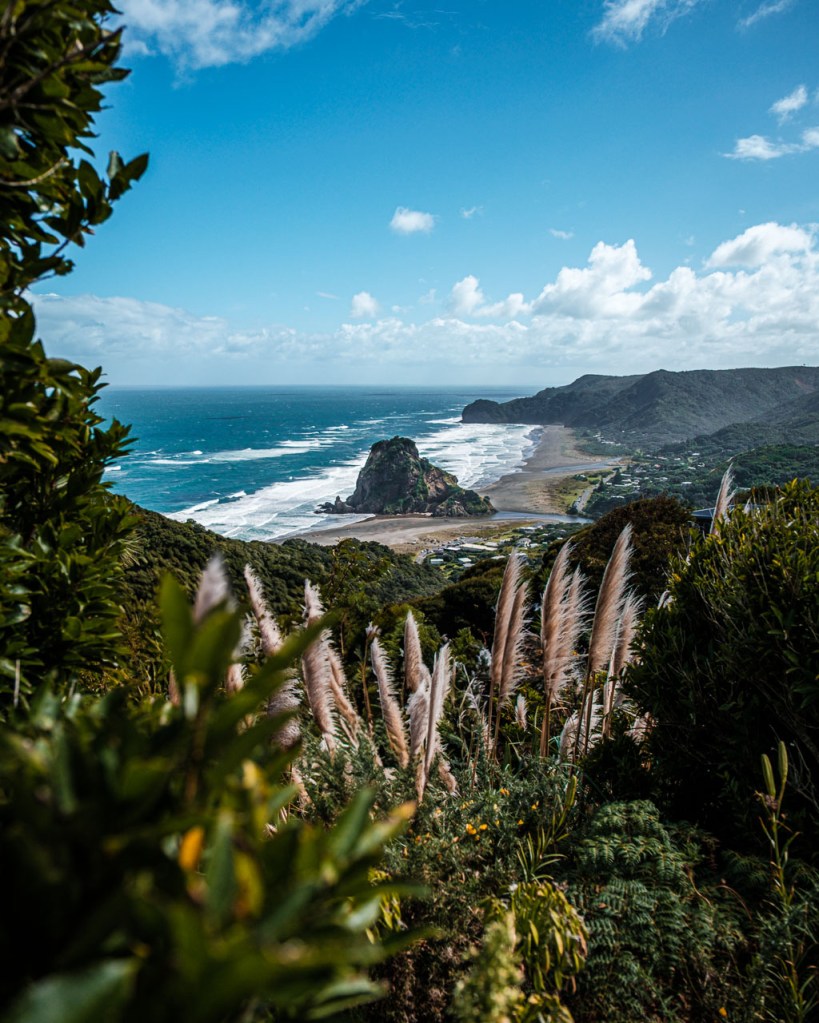
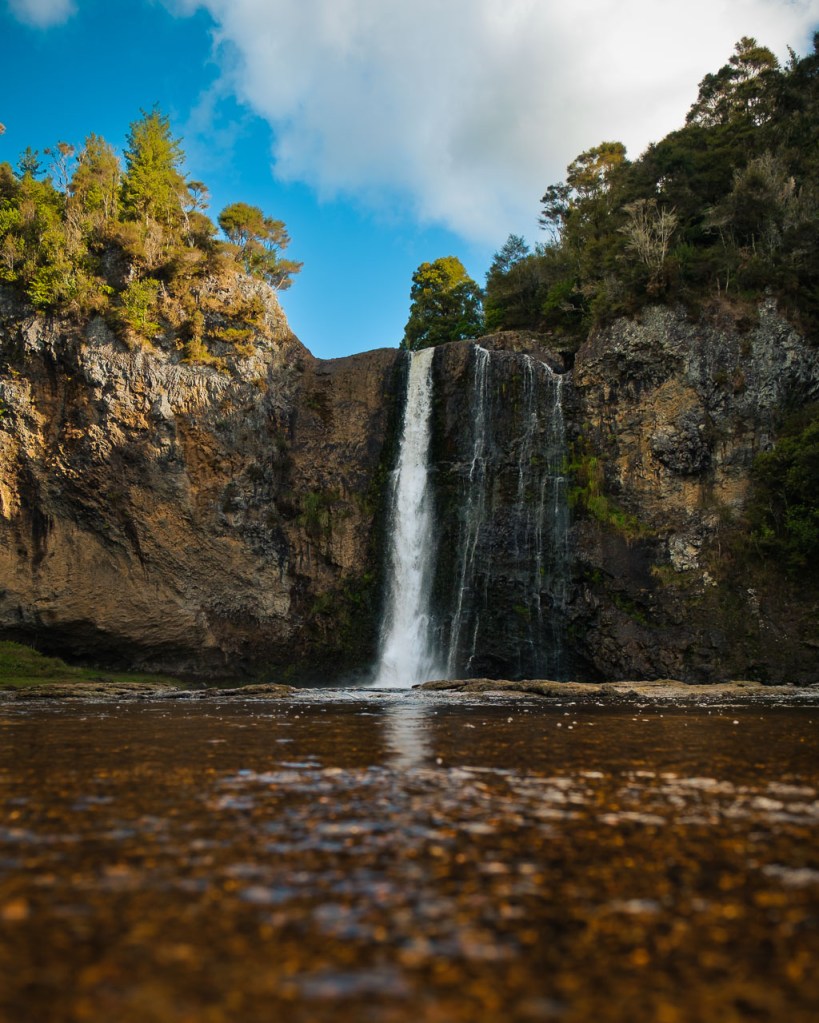
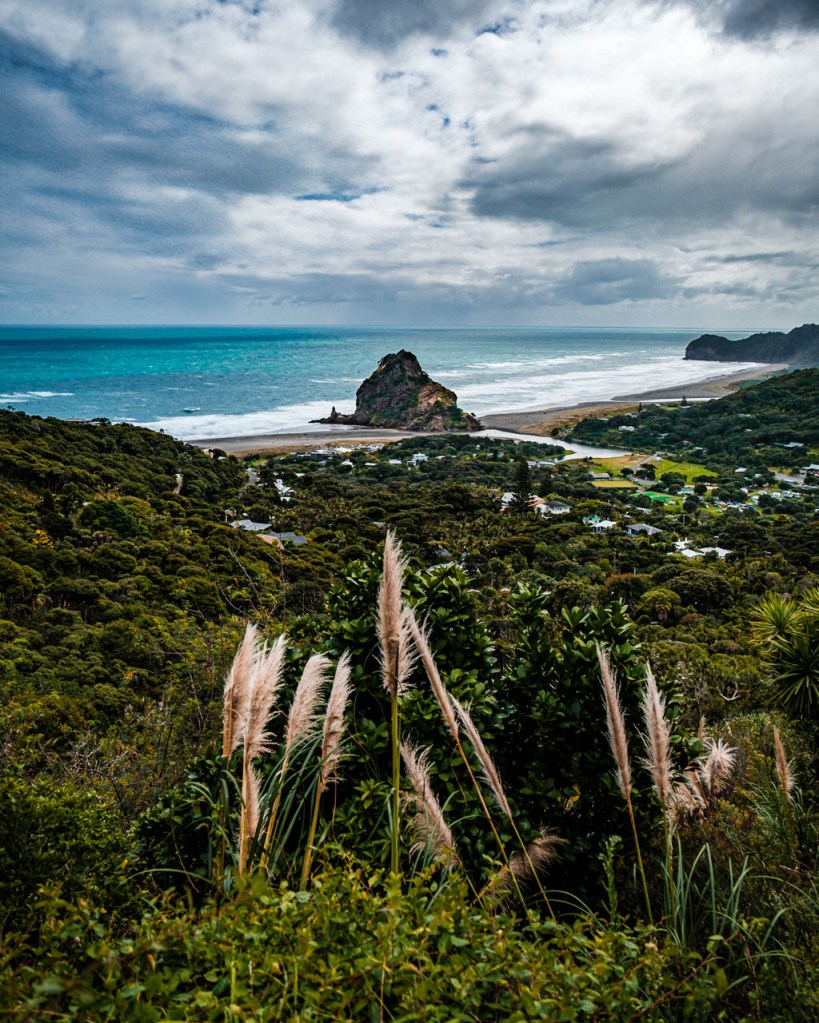
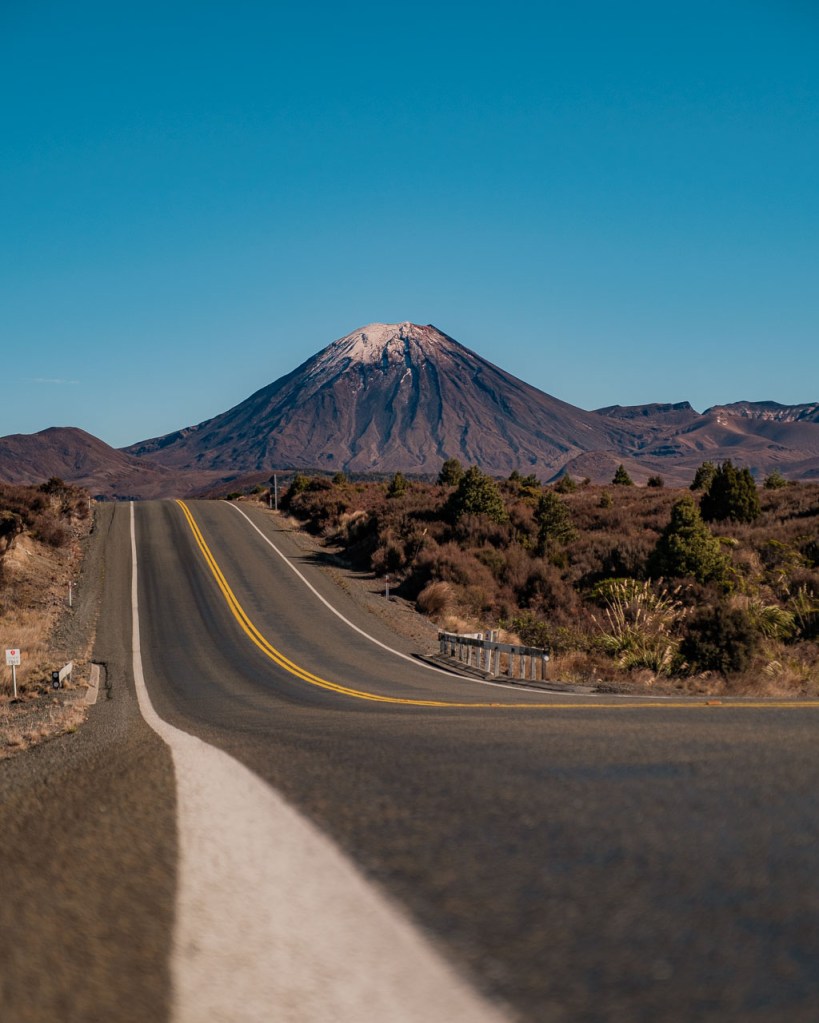
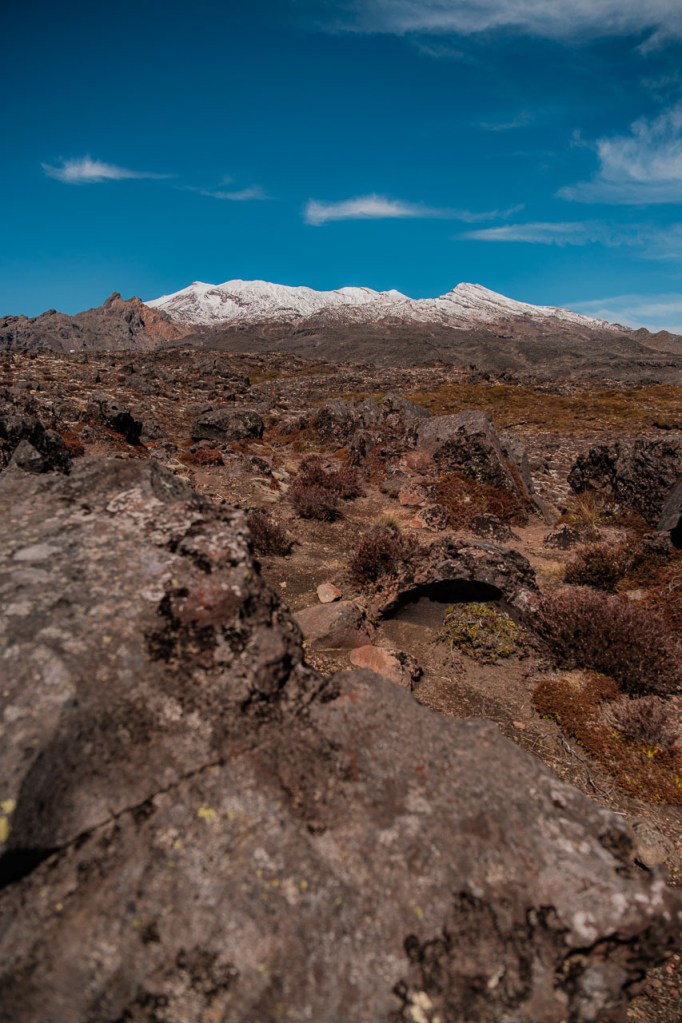
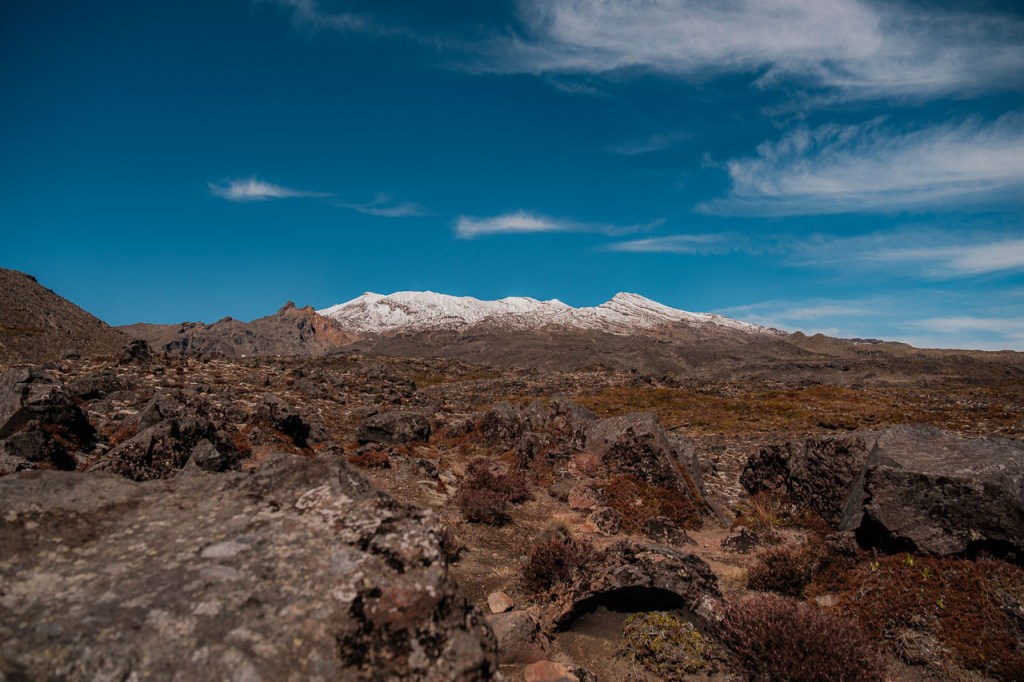
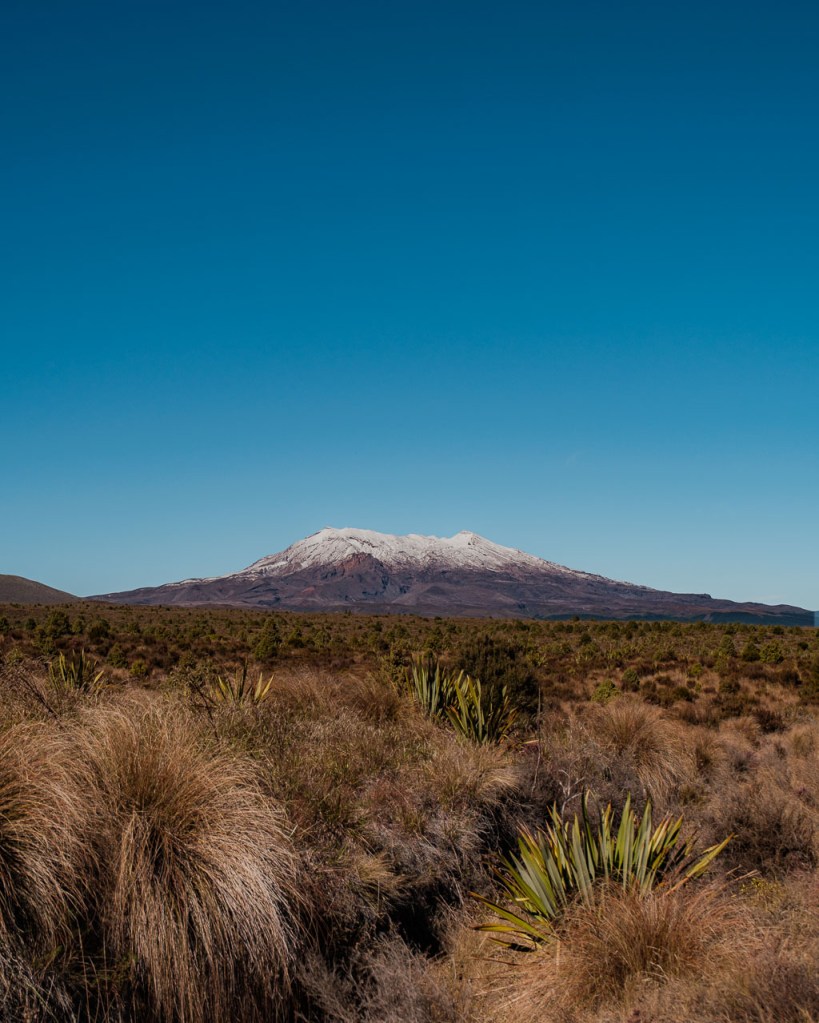
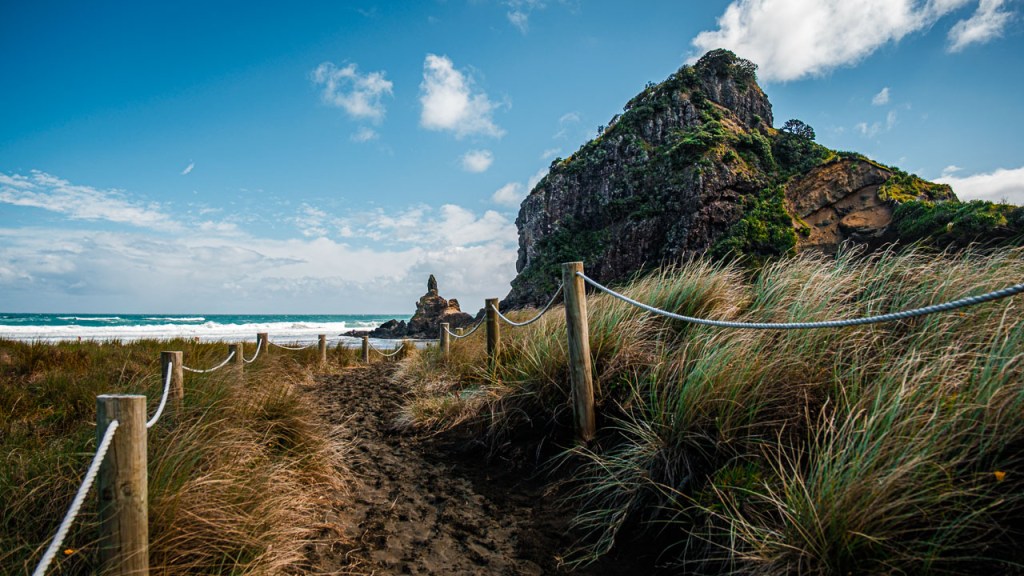
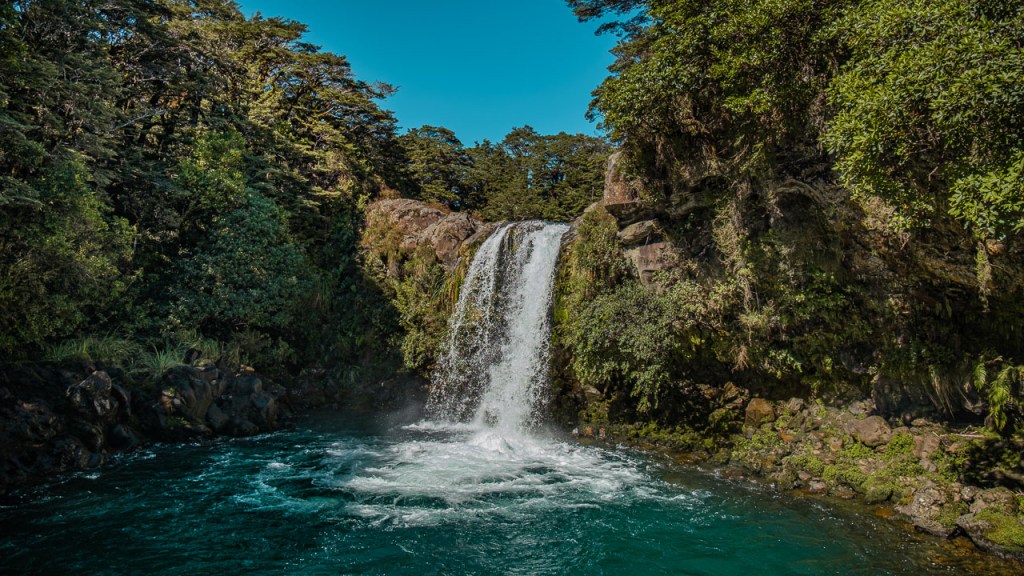
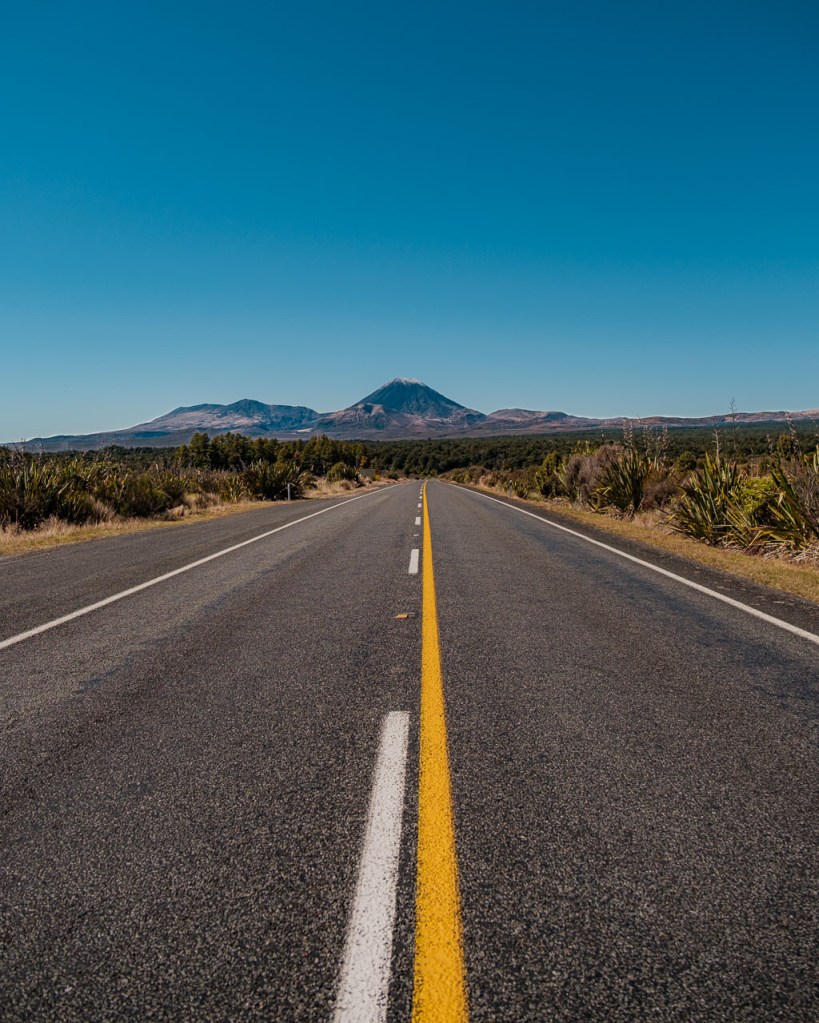
The North Island is defined by its contrasts. In Tongariro National Park, jagged volcanic peaks rise above alpine deserts, their flanks dotted with emerald lakes. At Hunua Falls, water rushes into a deep pool, misting the forest in a cool spray. On the coast, Piha Beach stretches out with volcanic black sand, pounded by Tasman Sea waves and guarded by the hulking Lion Rock.
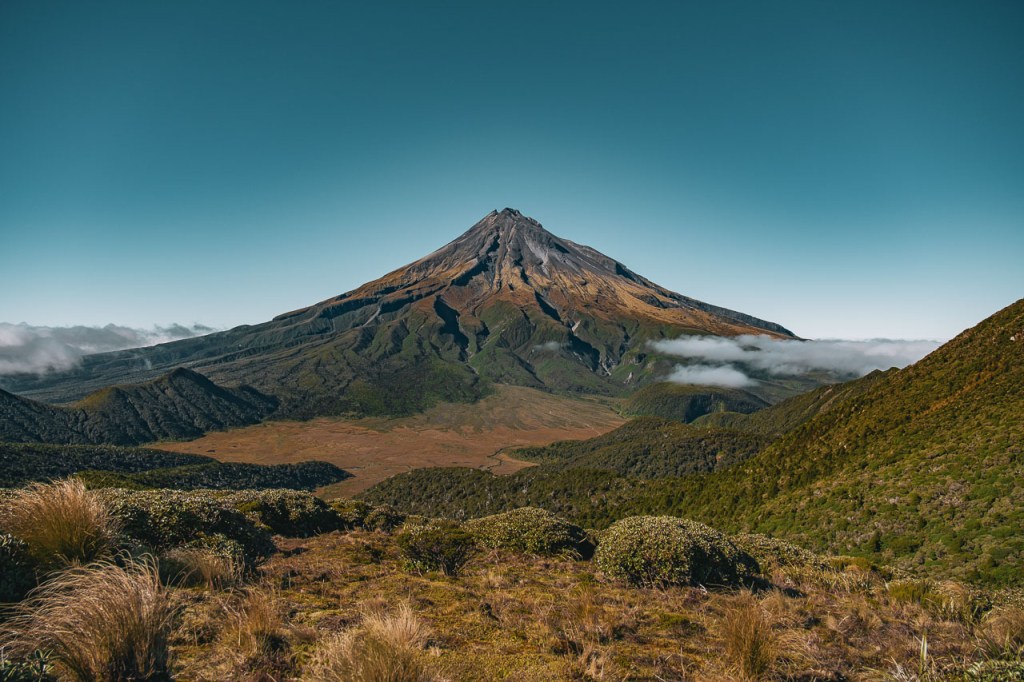
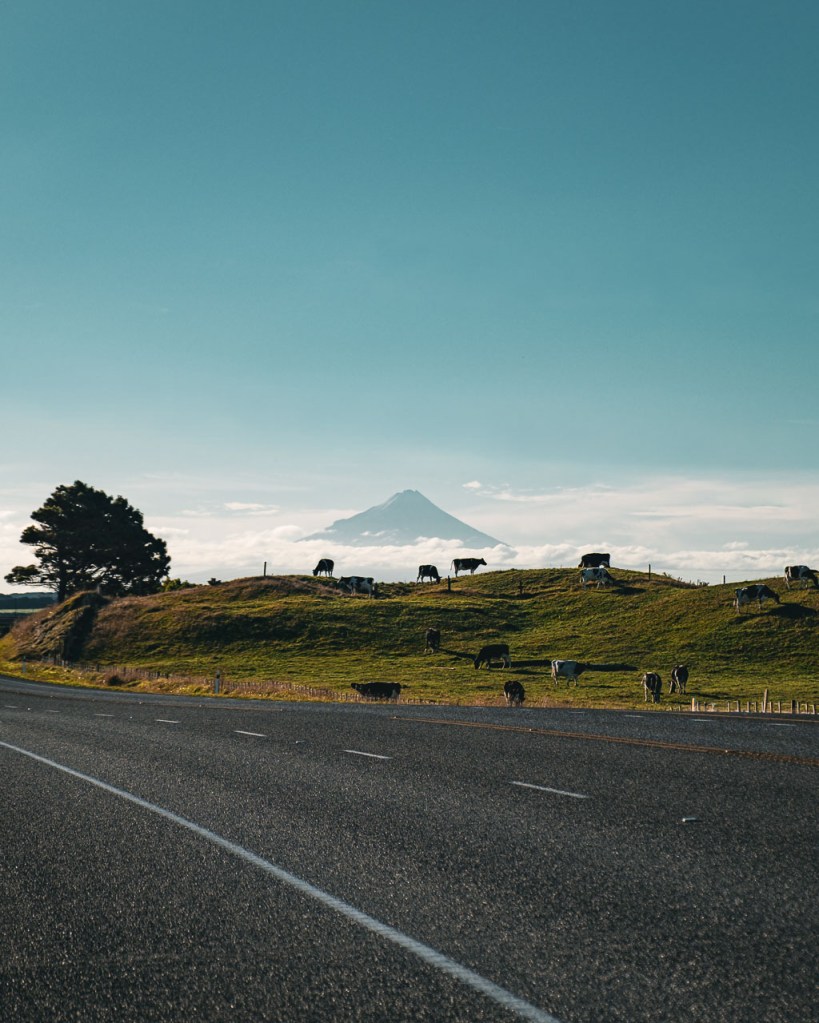
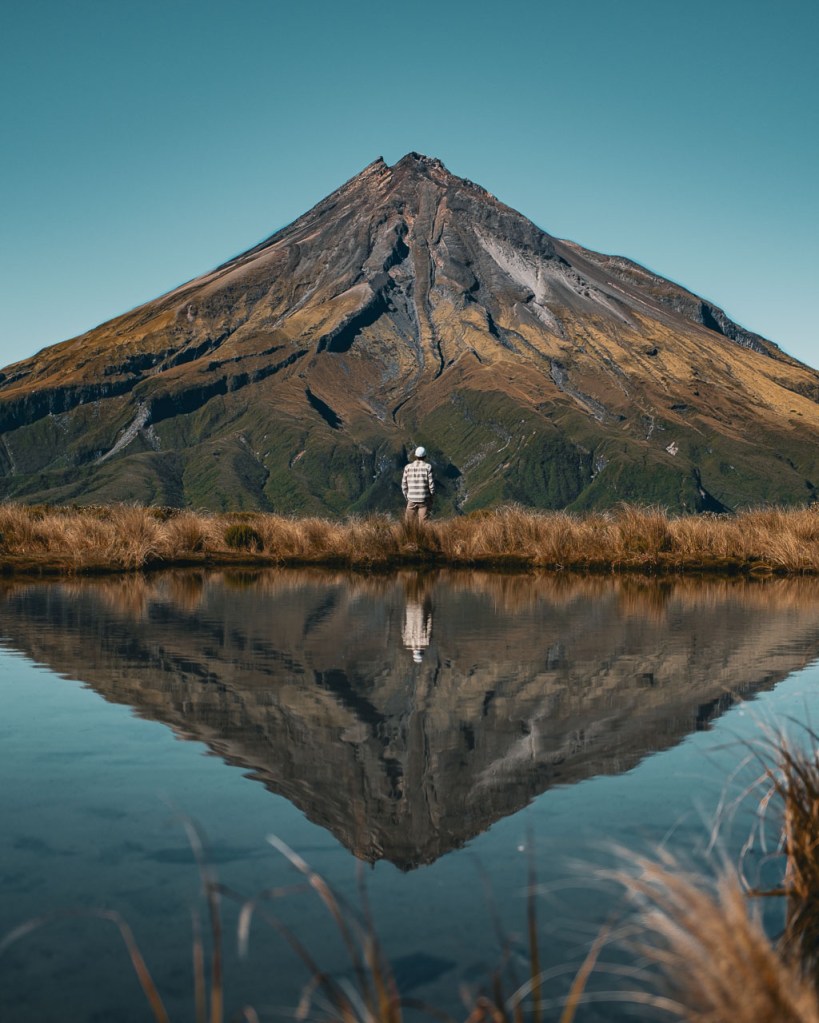
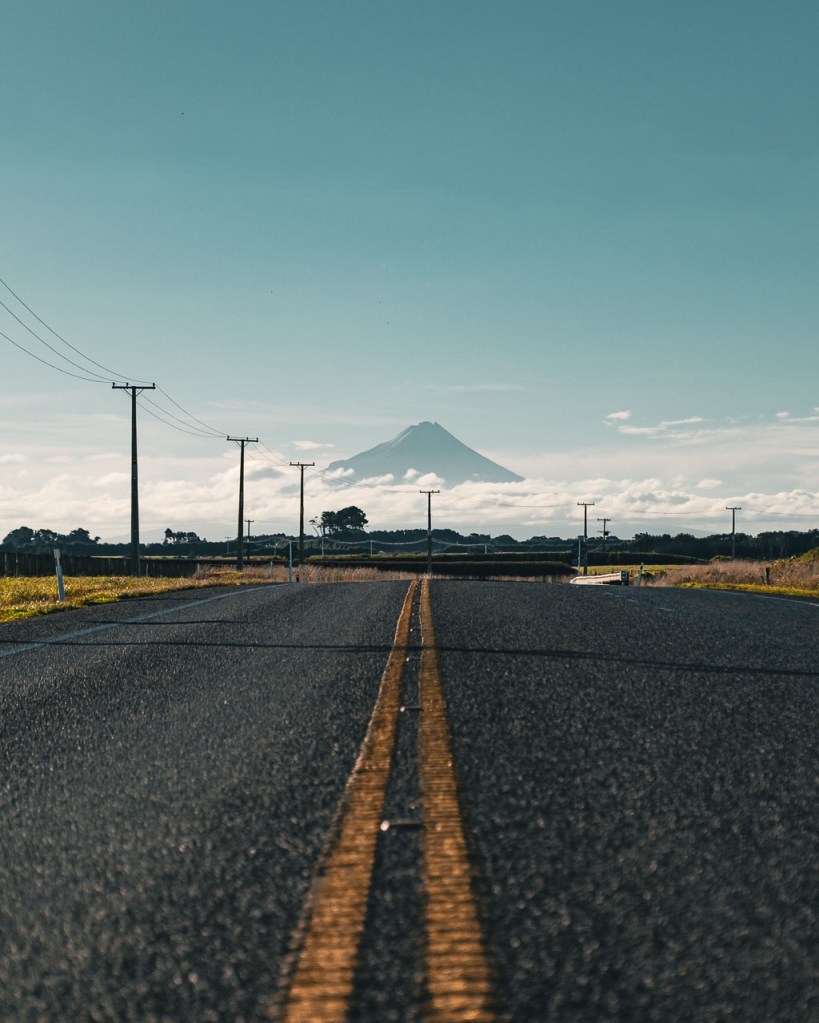
And then there are moments of quiet awe: the natural symmetry of Mount Taranaki, often veiled in clouds, or the endless green rolling across hills and farmland. Photographing here meant constantly shifting my perspective — wide angles for grandeur, small details for intimacy — each landscape demanding to be seen on its own terms.
Māori Culture: A Living Connection
What also struck me was how present Māori culture is on the North Island. From kapa haka performances to carved meeting houses, from art to everyday language, it’s alive and visible in ways that Indigenous cultures in the U.S. often very much isn’t. The Māori people I encountered were warm, proud, and welcoming.

Their connection to land and sea felt familiar — a reminder of values I hold dear personally and that I admire in many Indigenous cultures across the Americas and the Pacific: true community, belonging, and responsibility to place. Photographing landscapes here felt inseparable from that profound relationship to place.
The Redwoods of Rotorua

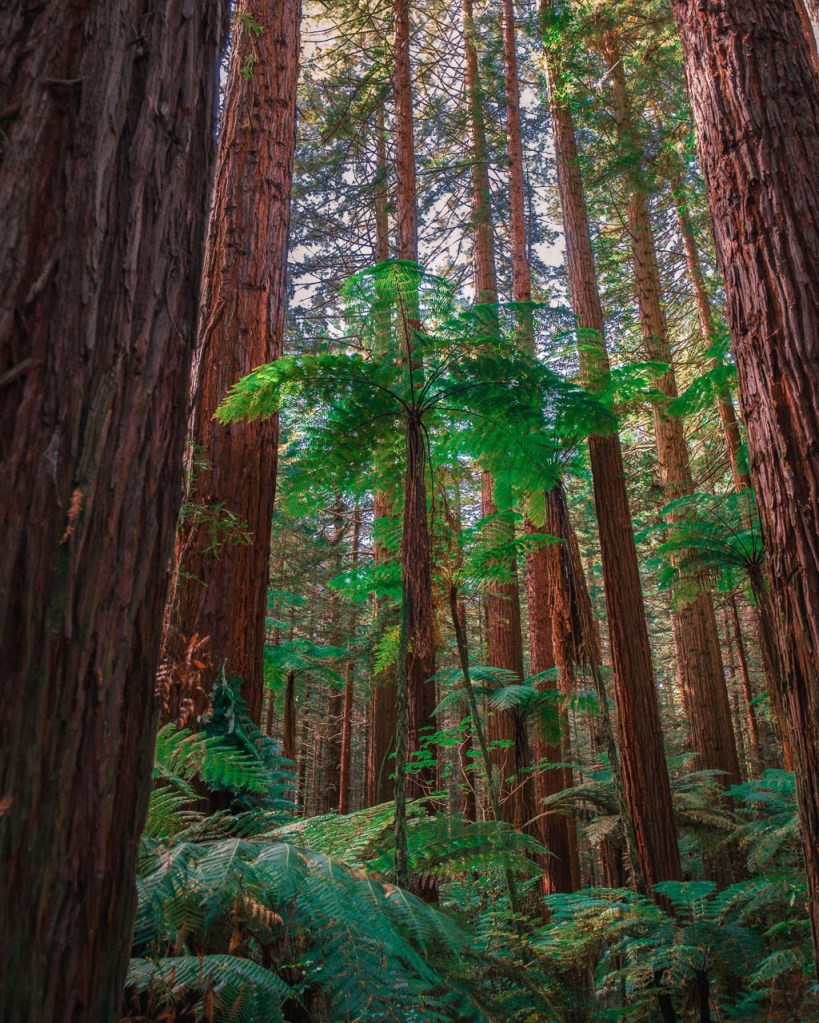
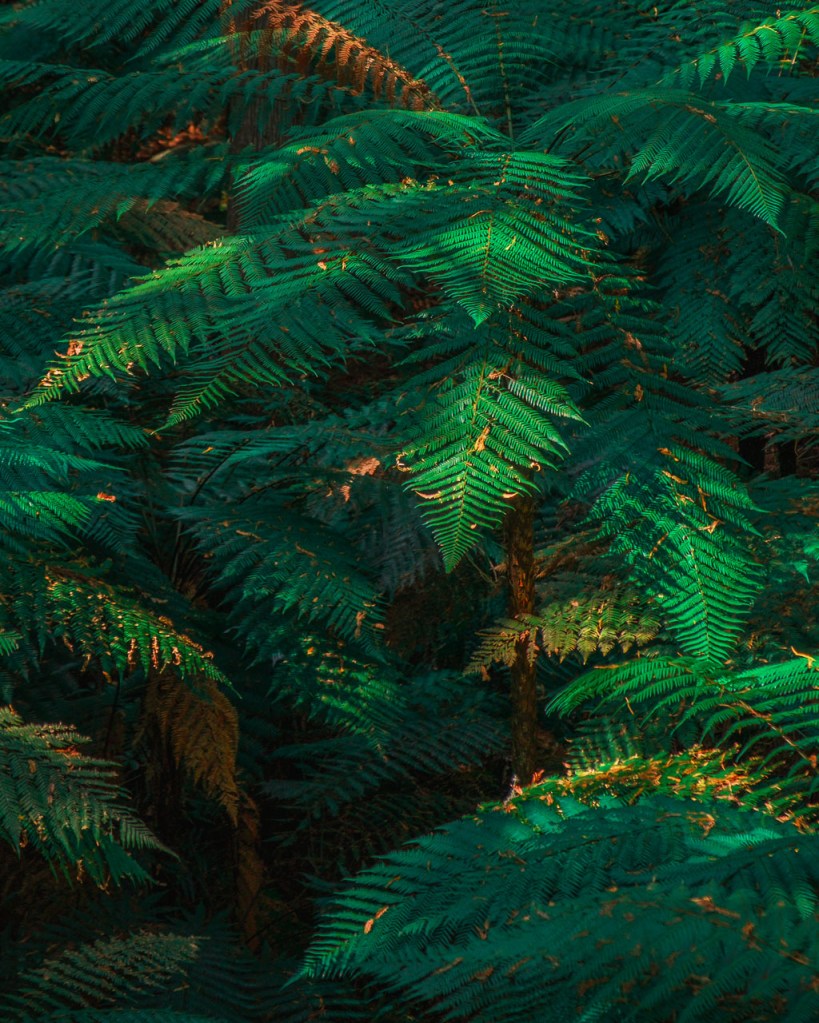

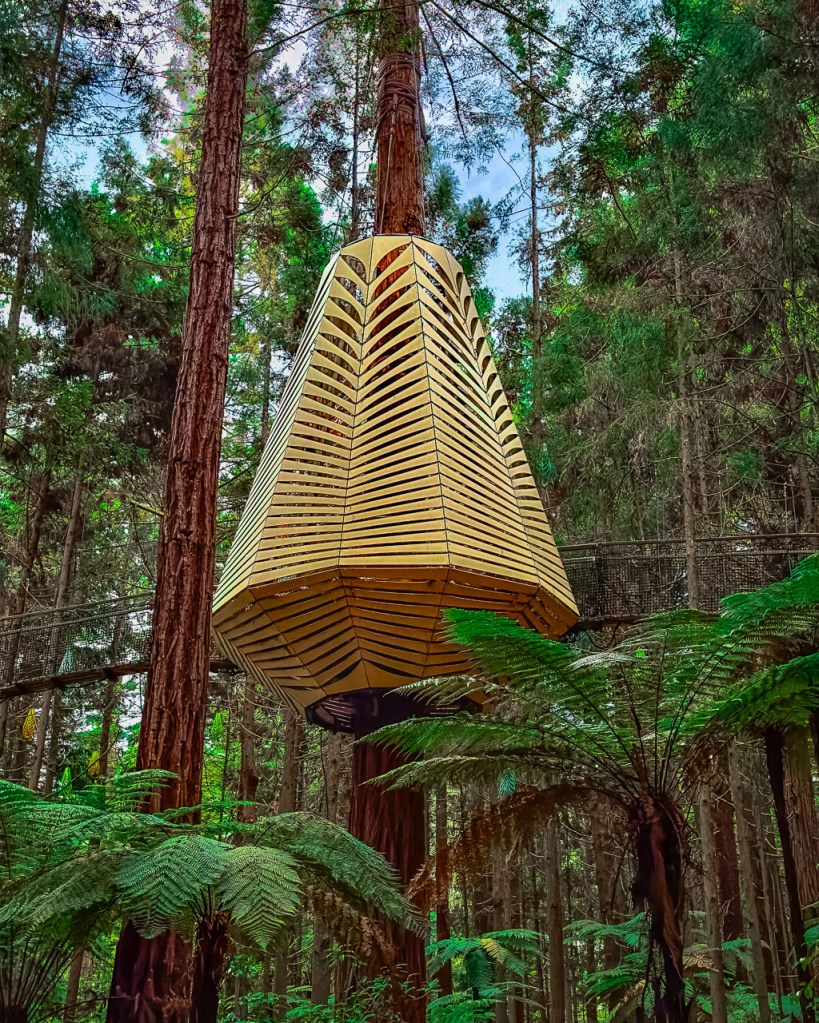
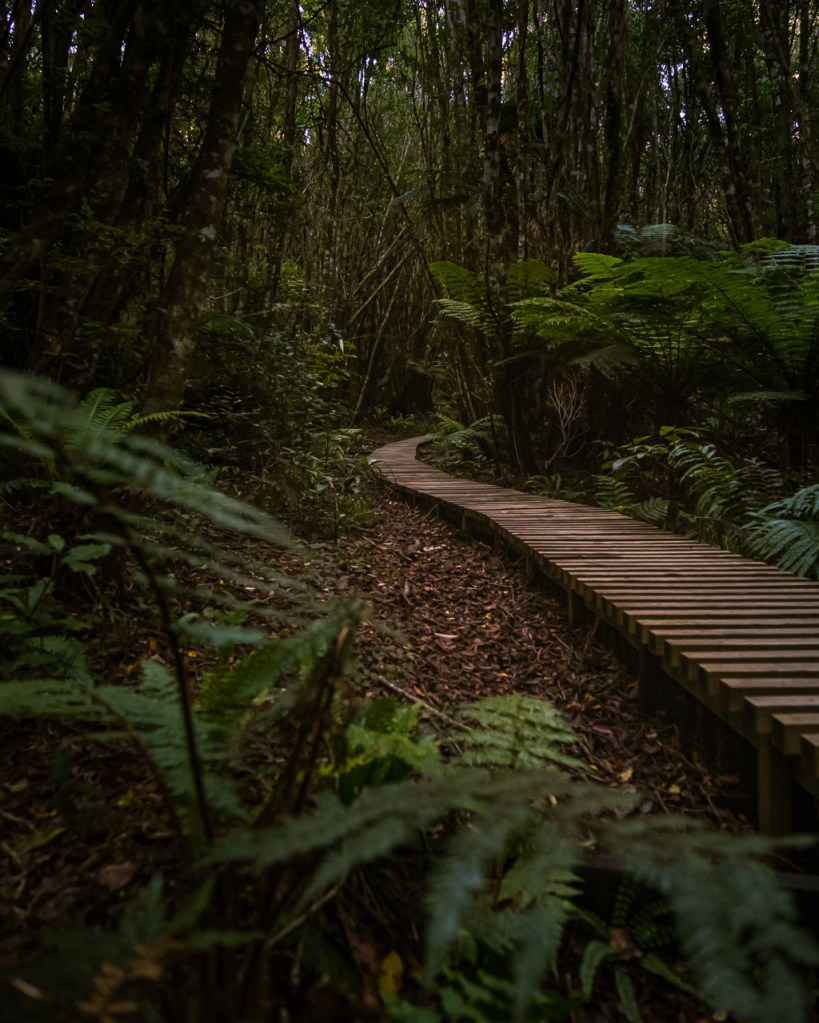
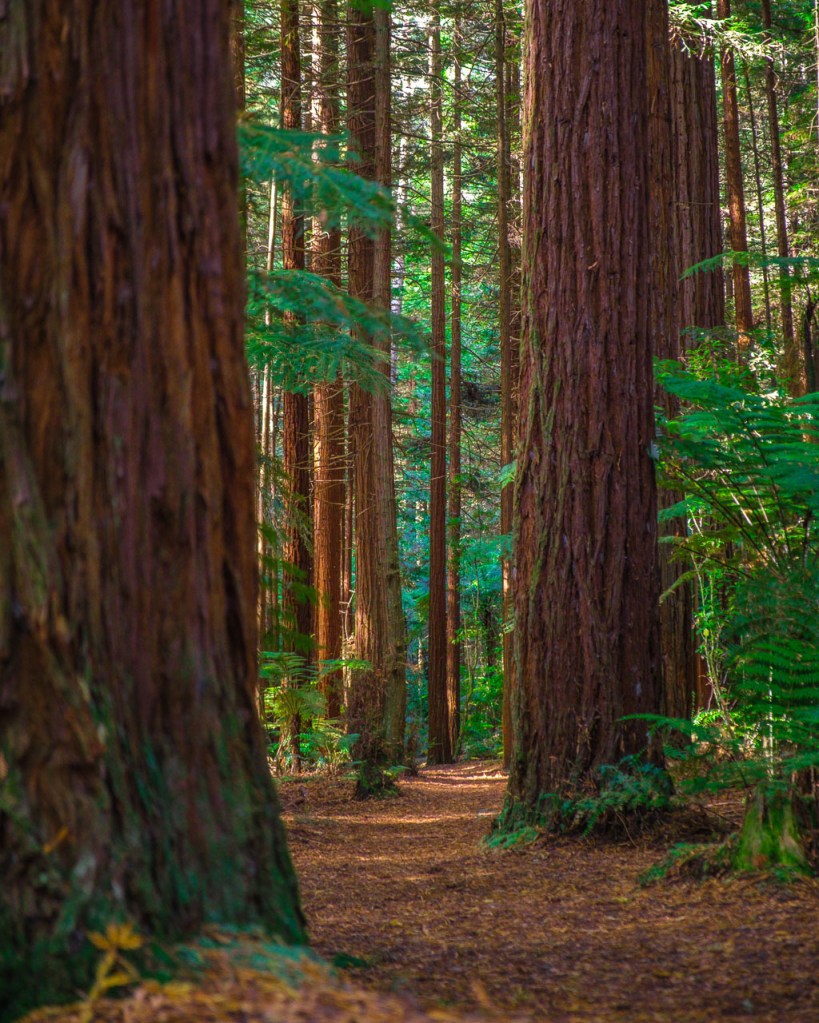
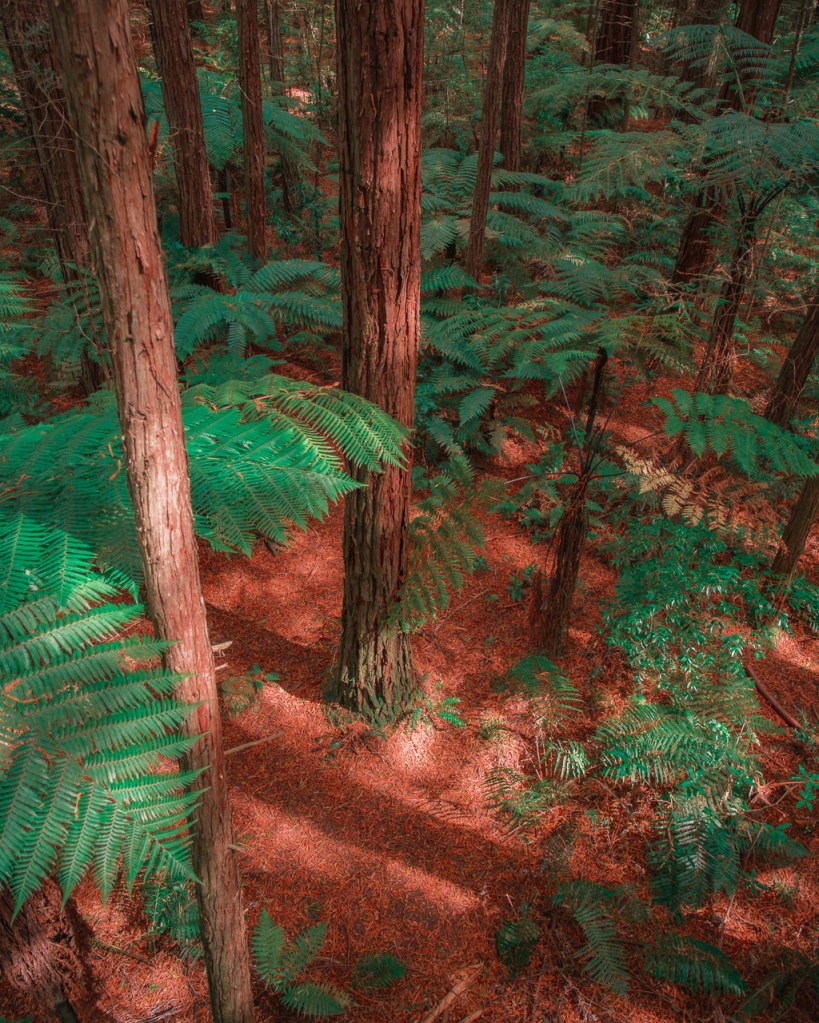
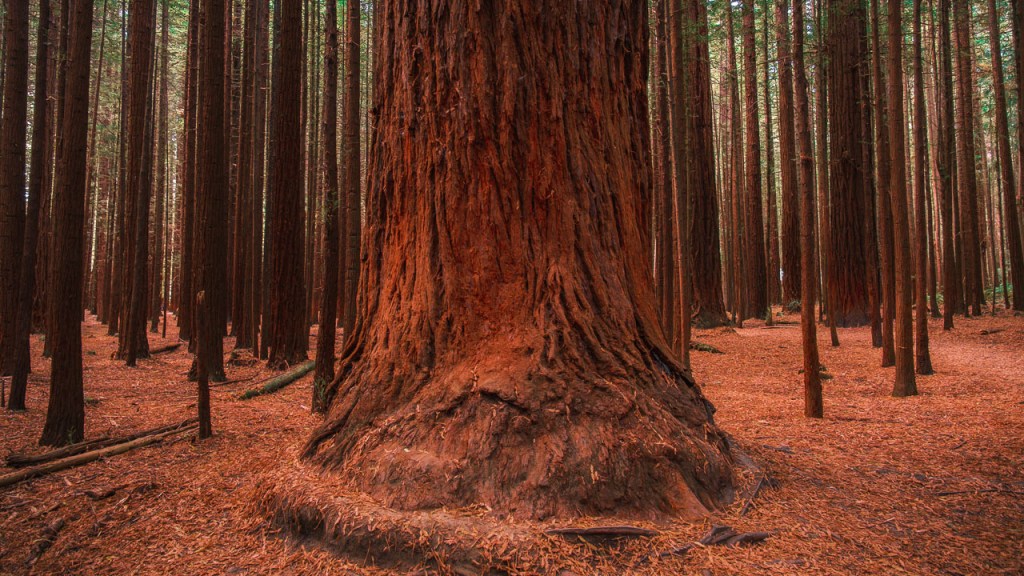
One of the most moving places I visited was the Whakarewarewa Forest in Rotorua, home to towering California redwoods (Sequoia sempervirens). Planted in 1901 as part of forestry experiments, they flourished in New Zealand’s volcanic soil while many other exotic species failed. Some now stand over 70 meters tall, straight and serene.

For me, walking among them was surreal. The redwoods are the trees of my home — symbols of a wild Pacific coast a world away — and seeing them thriving here, in Aotearoa, made me feel a sense of kinship. It reminded me of how landscapes can echo one another across oceans, and how spirit can carry even when roots are transplanted.
Photographing New Zealand’s North Island: Tips and Impressions
Best Time to Shoot:
- Early mornings for misty light over waterfalls and mountains.
- Evenings for golden sunsets over black-sand beaches and glowing volcanic peaks.
- Cloudy or rainy days add mood and drama, especially in the fjordlike valleys and at Hunua Falls.
Best Locations:
- Tongariro National Park for volcanic peaks, crater lakes, and arid landscapes.
- Hunua Falls for waterfall photography with long exposures.
- Piha Beach for dramatic skies, black-sand reflections, and surfers in silhouette.
- Whakarewarewa Forest (Rotorua) for towering redwoods and moody forest shots.
- Mount Taranaki (Egmont National Park) for symmetrical mountain views and reflections in alpine tarns.
Gear Suggestions:
- A wide-angle lens for mountains, volcanoes, and sweeping coastal scenes.
- A telephoto zoom for compressing waterfalls, isolating mountain details, or capturing wildlife.
- Weather protection for your camera — expect rain, mist, and spray.
- Sturdy shoes and a light tripod if you want to chase long exposures at falls or beaches.
The light and weather changed constantly, making the land feel alive. Every frame was fleeting — the kind of place where no two photos, even of the same view, ever look the same.
Final Thoughts
The North Island gave me more than beauty. It gave me a feeling of connection. In my solitude, I felt the land’s presence more sharply: volcanic fire, coastal storms, redwood stillness, mountain grandeur. The people, too, reflected that connection — Kiwis with their quiet, unhurried charm, and Māori culture carrying traditions that root deeply into place.
This trip was a reminder of why I travel and why I photograph: to pause, reflect, and immerse yourself in the true essence of a place; to form a connection with its land and its people. Every so often, you come across a place that feels tethered to you by an unseen thread. A place reach back toward you, where see yourself echoed in its land and people. For me, Te Ika-a-Māui, Aotearoa was exactly that.















 Sericography
Leave a comment