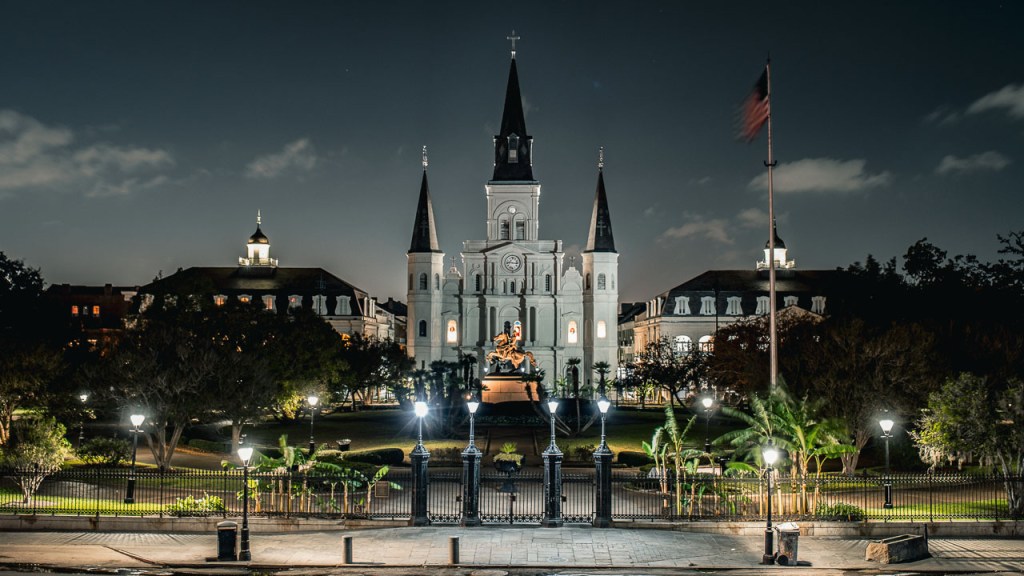
Capturing the Crescent City in the Shadows of Halloween
New Orleans is one of the most photogenic cities in the world, but visiting during Halloween — from late October into early November — brings an atmosphere unlike any other season. This was a trip I’d been wanting to go on for years leading up to it. NOLA is always worth a visit in my opinion; I’ve been lucky enough to experience it on several occasions, and every time I’m struck by the food, the culture, the architecture, and the history that make it such an incredible destination. Yet it’s also a city that shines brightest in the light of its raw, unbridled truths, and Halloween felt like the perfect moment to photograph and experience the essence of its true spirit.
As someone deeply drawn to history and culture, I find New Orleans endlessly fascinating. And as a photographer, the city exceeds every expectation: endless street scenes, architectural gems, sunsets over the Mississippi, and a resilient culture as beautiful and hardy as diamonds in the rough. All of that wrapped in the haunting, yet playful spirit that makes New Orleans unlike anywhere else, you’ve got photo heaven.
If you’re planning a photography trip to New Orleans, here’s what I discovered, plus the best practices, times, and locations to capture the city through your own lens.
Why Photograph New Orleans During Halloween?
Though, I was much more interested in capturing the face of city beneath the mask of the decor, Halloween presents some unique opportunities for photographers in New Orleans. It transforms le Vieux Carré into a living spectacle. Costumes spill into the streets for days, houses glow with jack-o’-lanterns, and the Quarter streets hum with tantalizing masquerades and vibrant festivities. Unlike Mardi Gras, which can feel overwhelming, late October offers vibrant energy without losing the intimacy that makes street photography in New Orleans so compelling — even despite Taylor Swift’s Eras Tour performances there at the time!
For photographers, this means:
- Endless low-light opportunities (blue hour, voodoo displays).
- Crowds in creative costumes perfect for candid shots.
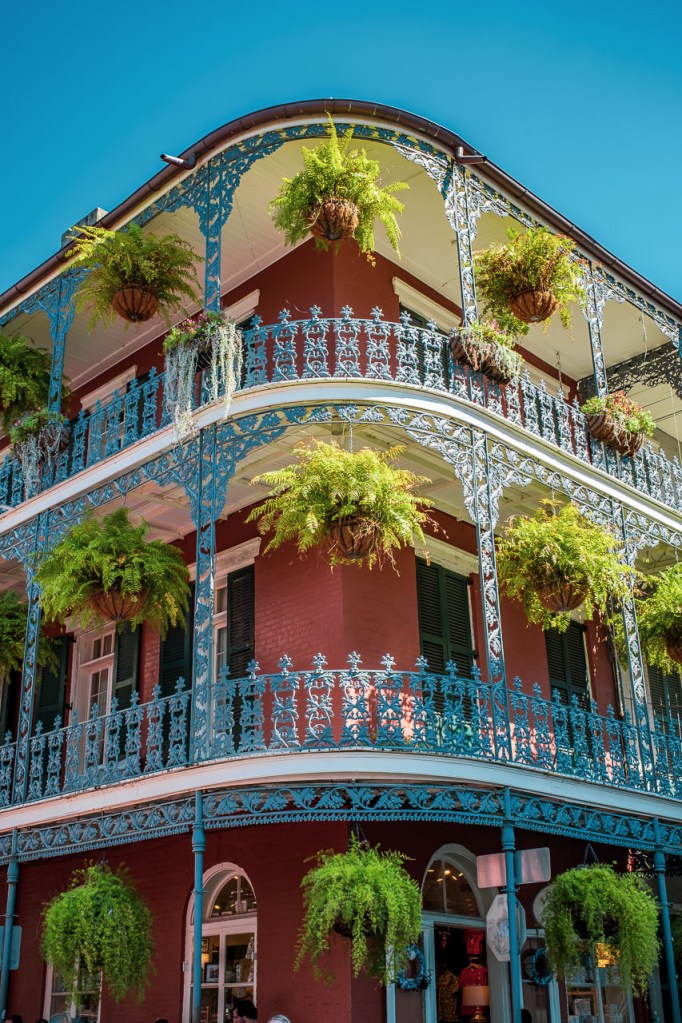
- Seasonal decorations adding extra layers to the already extravagant wrought-iron balconies and colorful façades.
French Quarter Photography Tips
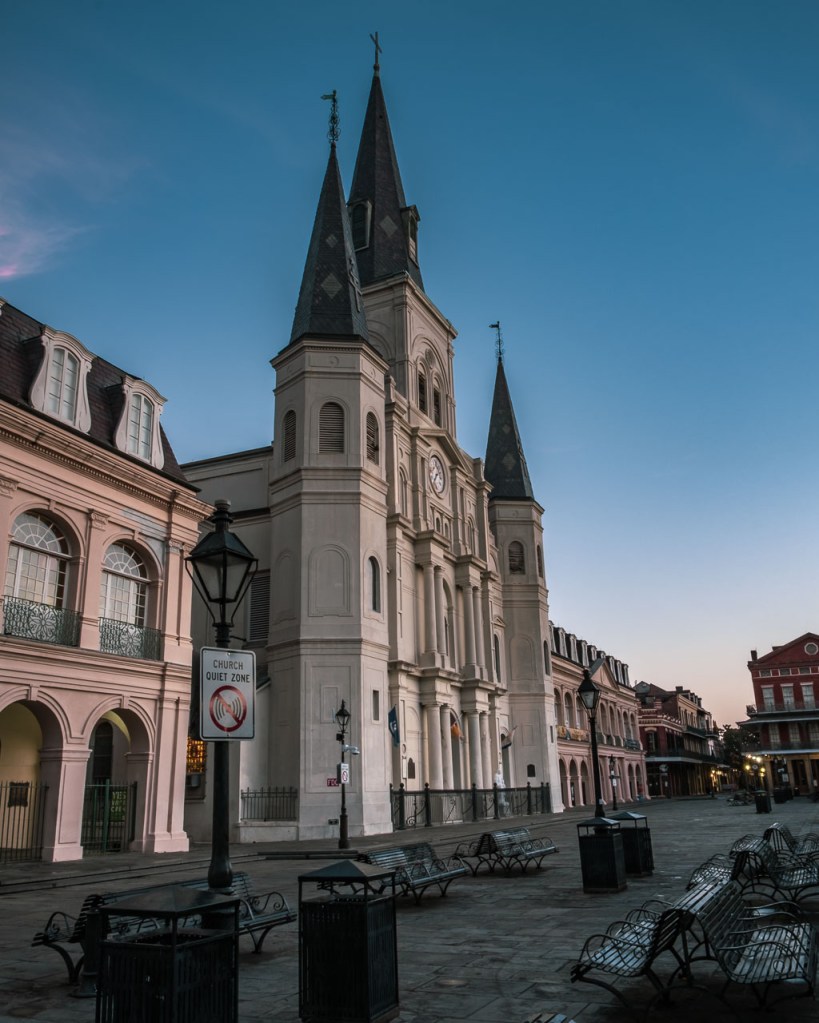
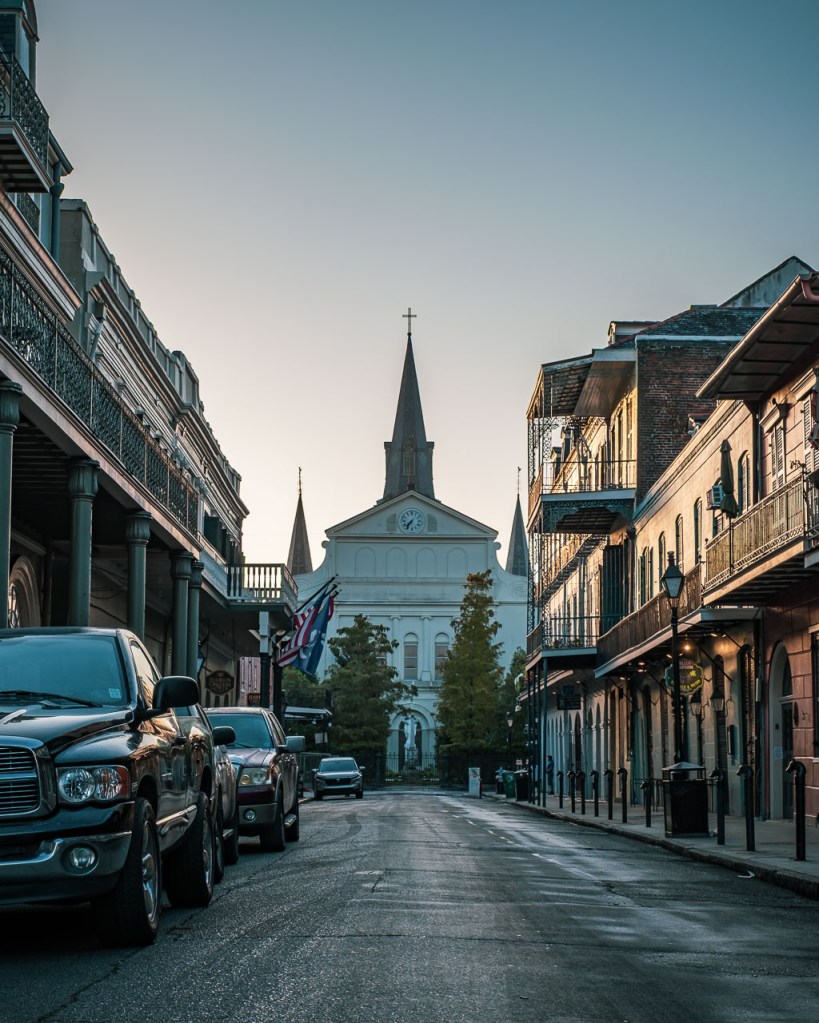
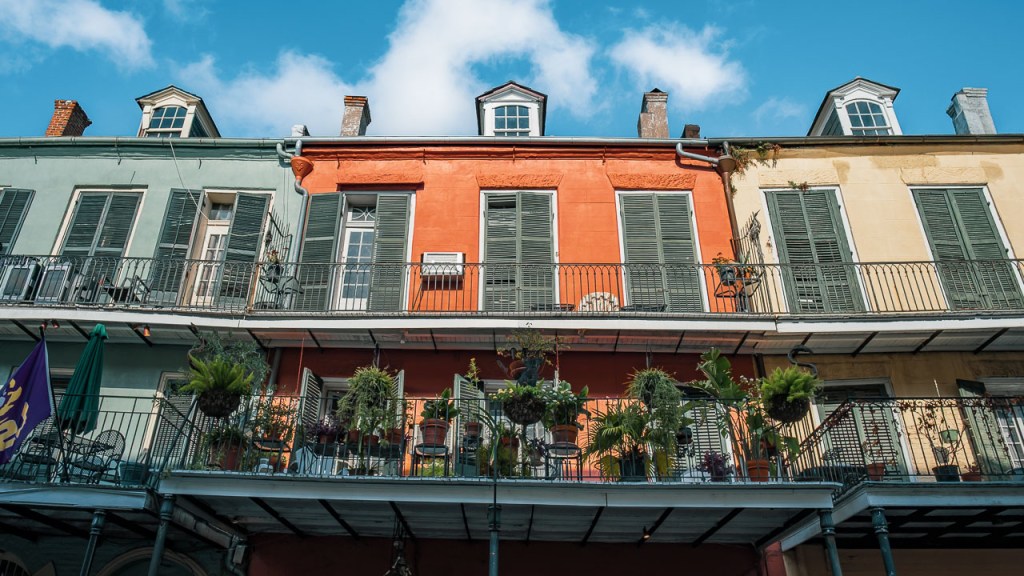
I spent most mornings wandering the French Quarter, when the streets were still quiet after long nights of revelry. Early light spilled over the ornate balconies, casting shadows against pastel shutters. If you want a less chaotic side of the Quarter, sunrise is your best bet.

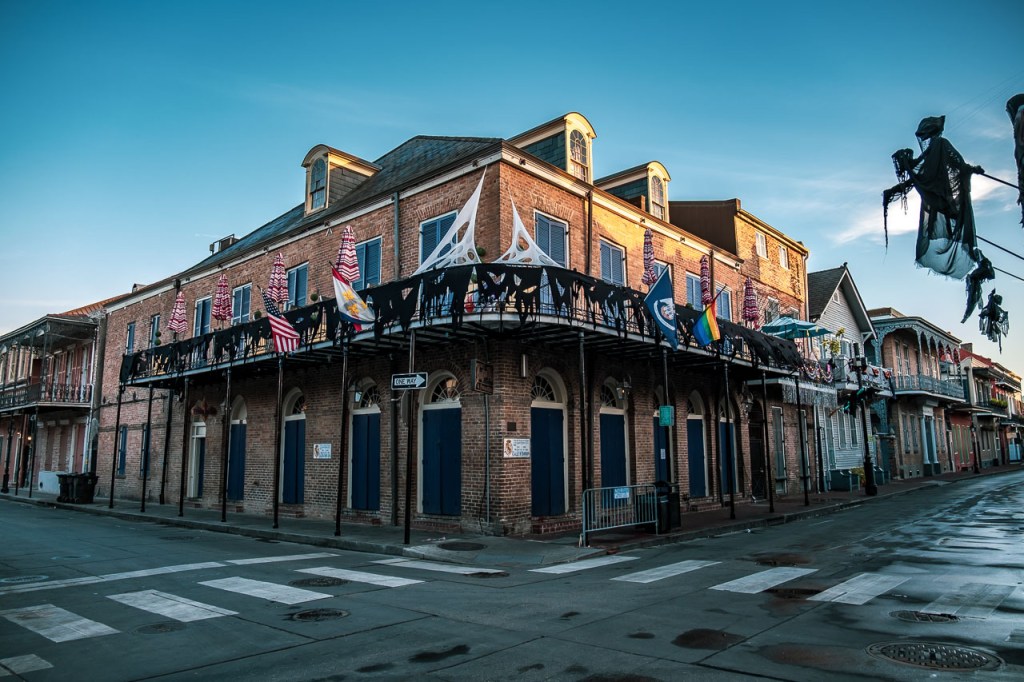
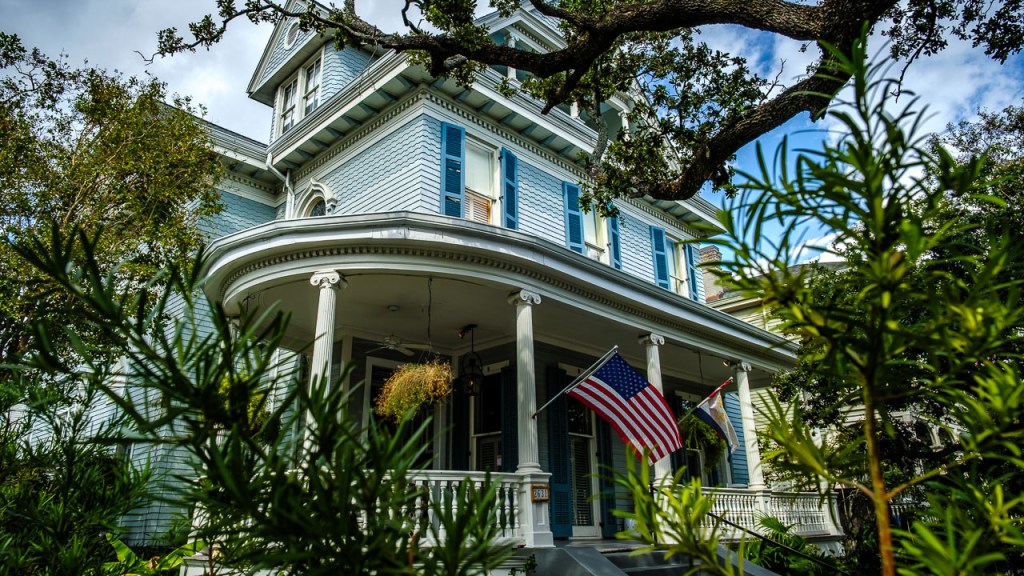

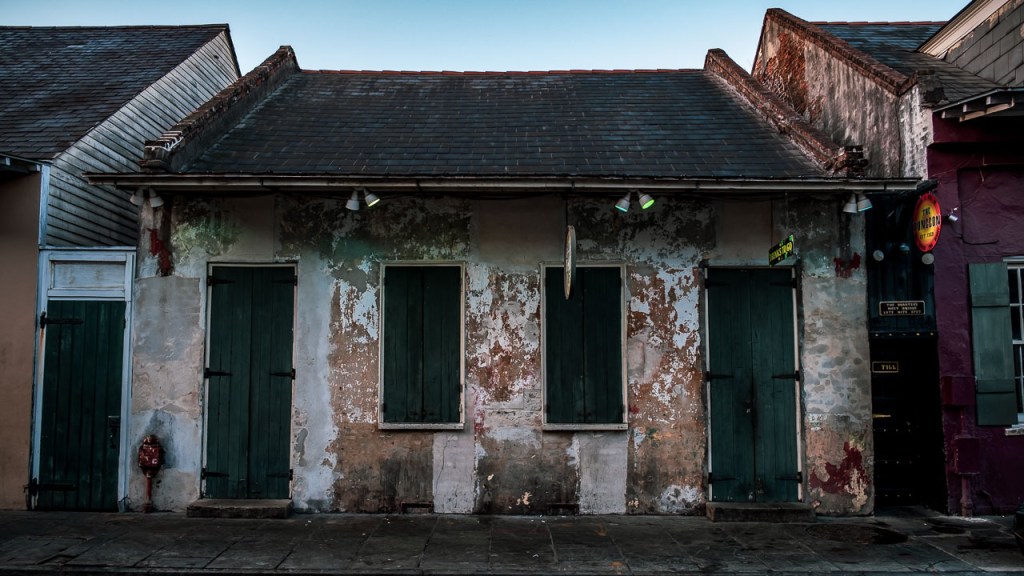
By night, the same streets pulse with neon lights and live music. I’d lean heavily on fast prime lenses (35mm/50mm, f/1.8 or faster) to capture portraits of street performers, and candid shots in the bustle of it all. Don’t be afraid of high ISO — the grain complements the city’s gritty charm.
A Focus on Architecture
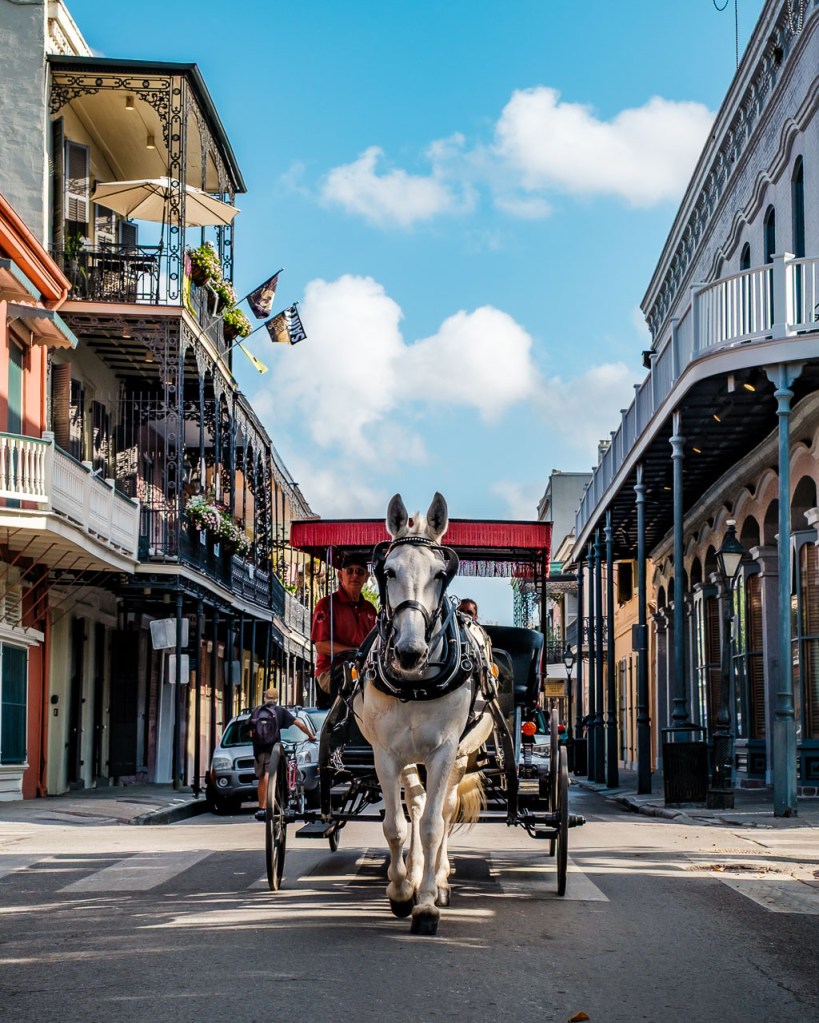
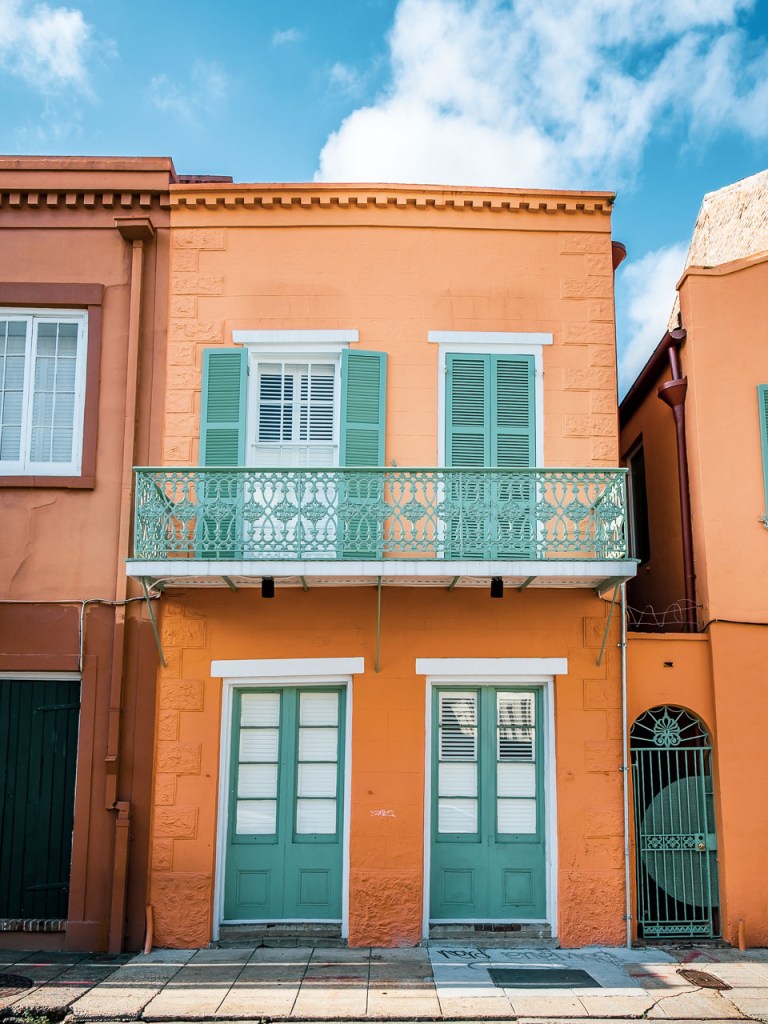
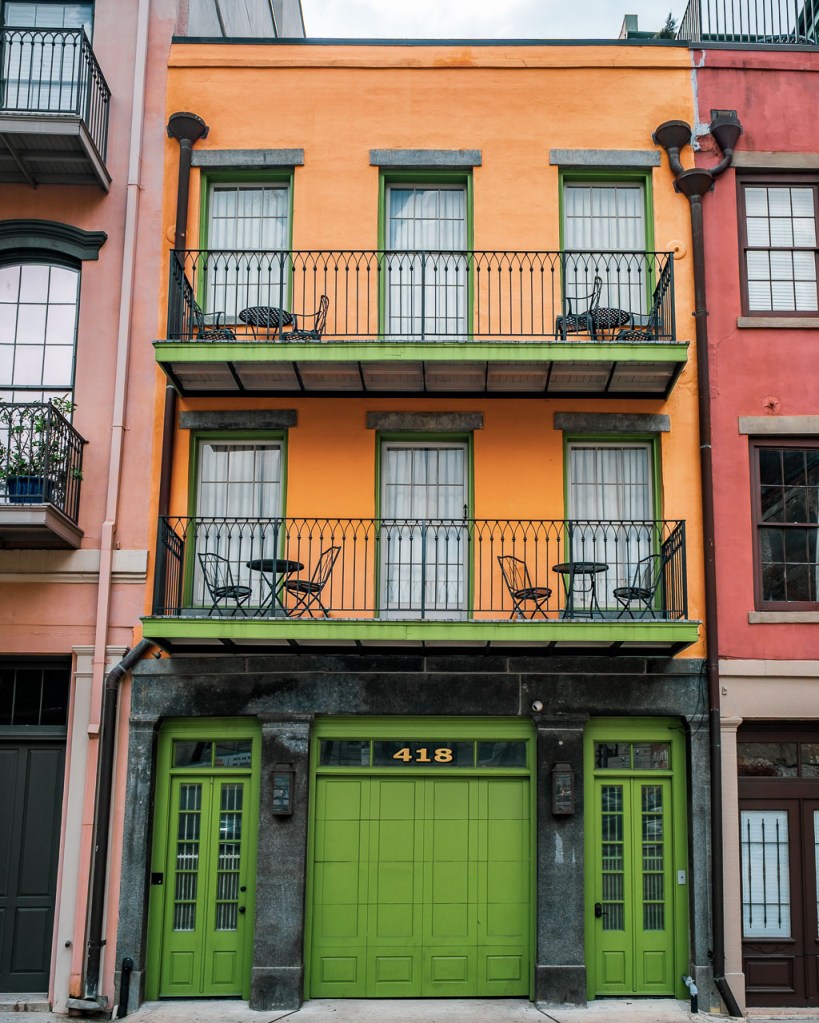
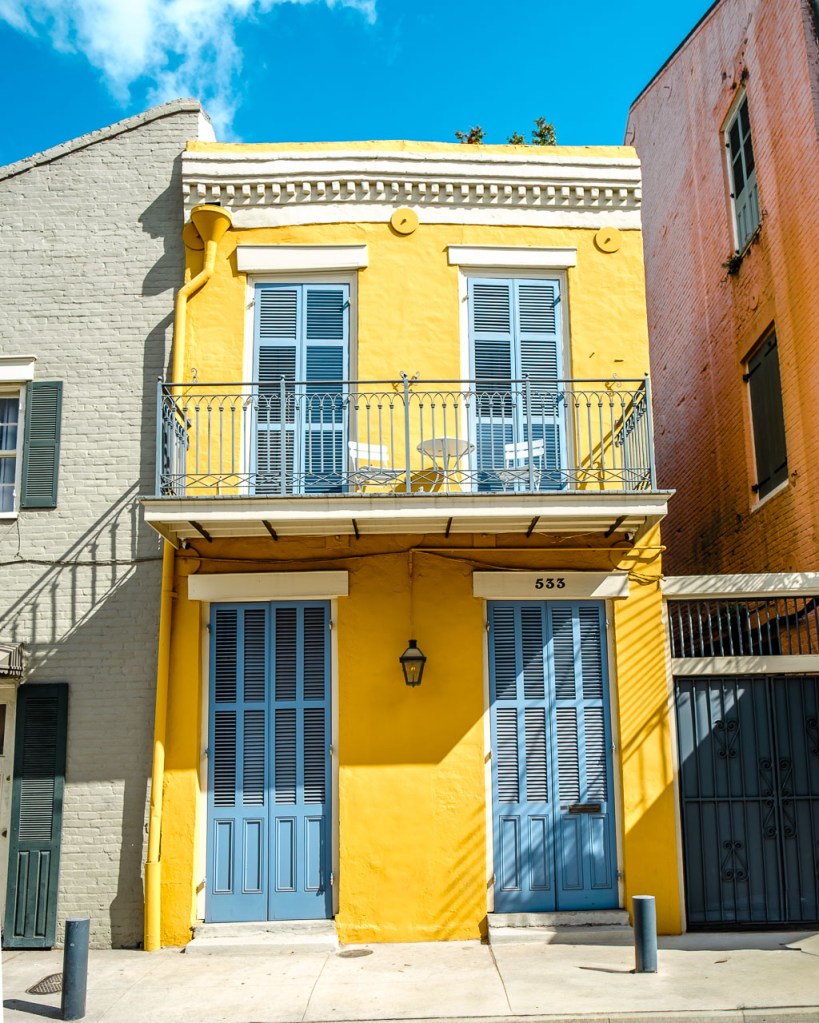
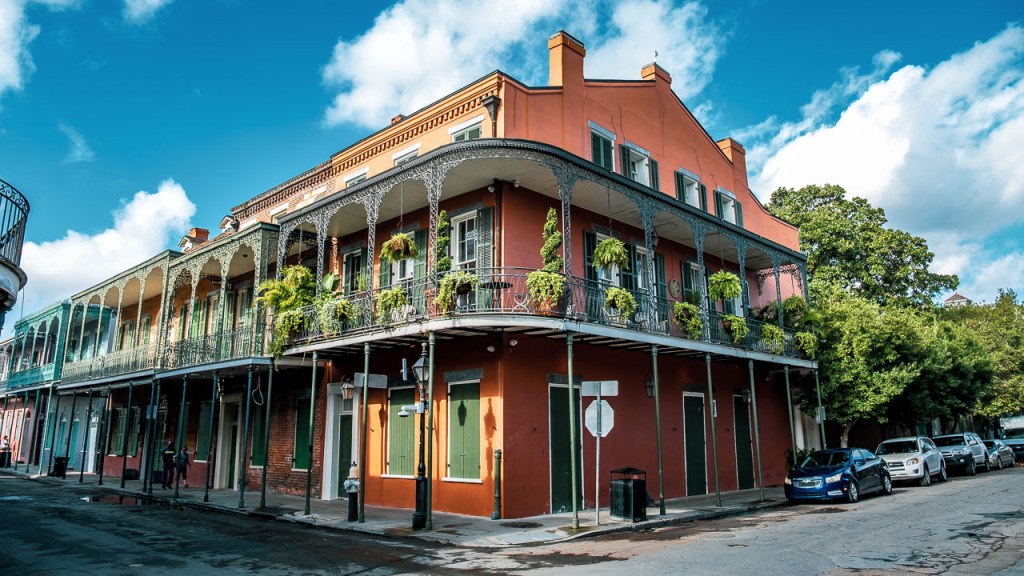
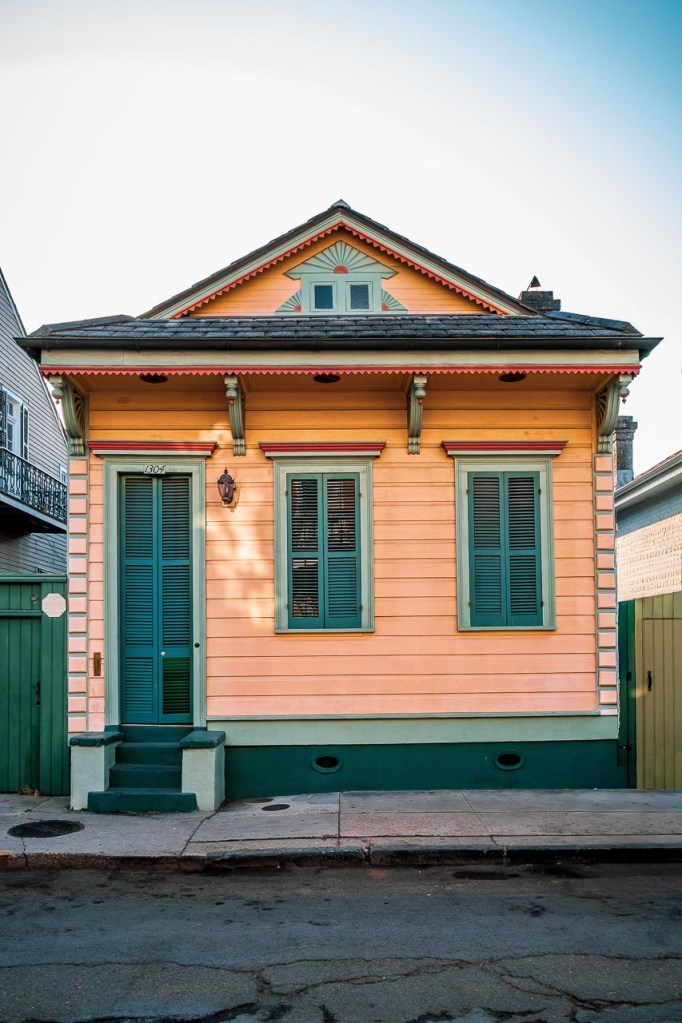
New Orleans story is hidden within it’s many colorful walls of varied styles, and nowhere is that clearer than in the French Quarter. There you’ll find a medley of Spanish Colonial, French Creole, and Victorian influences, layered over centuries of rebuilding and reinvention. The result is streets lined with stucco walls in pastel shades, arched doorways, tall shuttered windows, and the city’s signature wrought-iron balconies.
What makes it unique to photograph are the details:
- Balconies and galleries draped with ferns, flags, or seasonal displays.
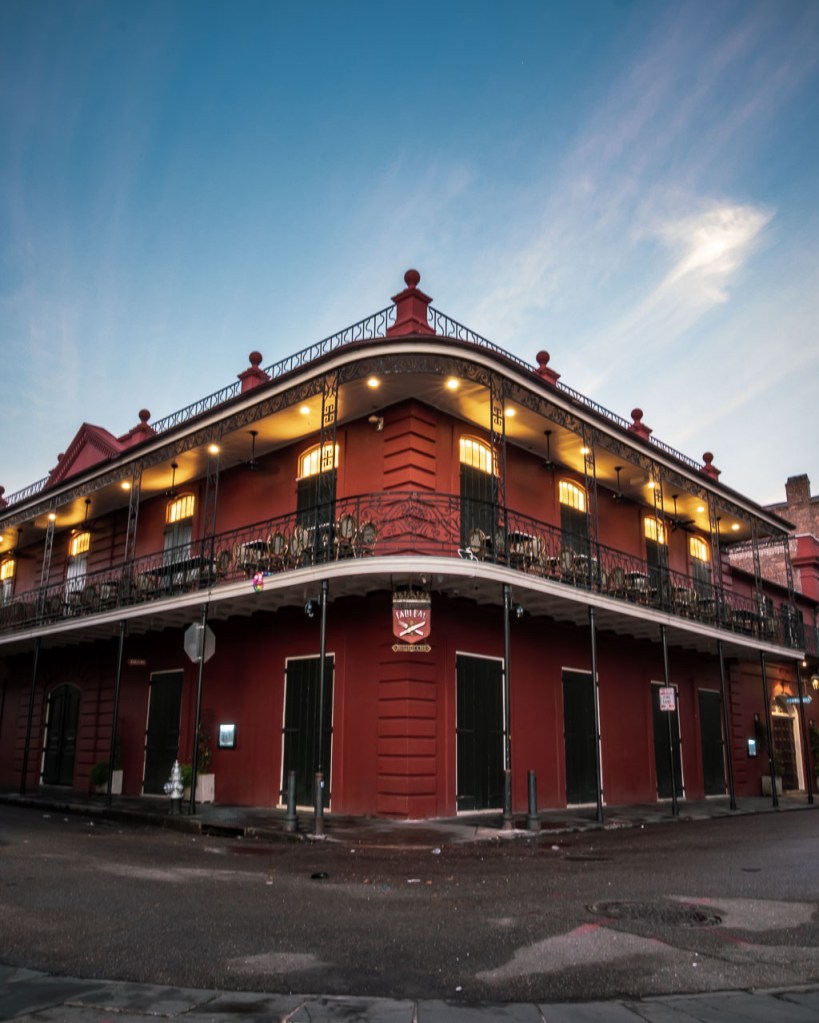
- Gas lamps that still flicker at night, casting a warm glow on colorful walls.
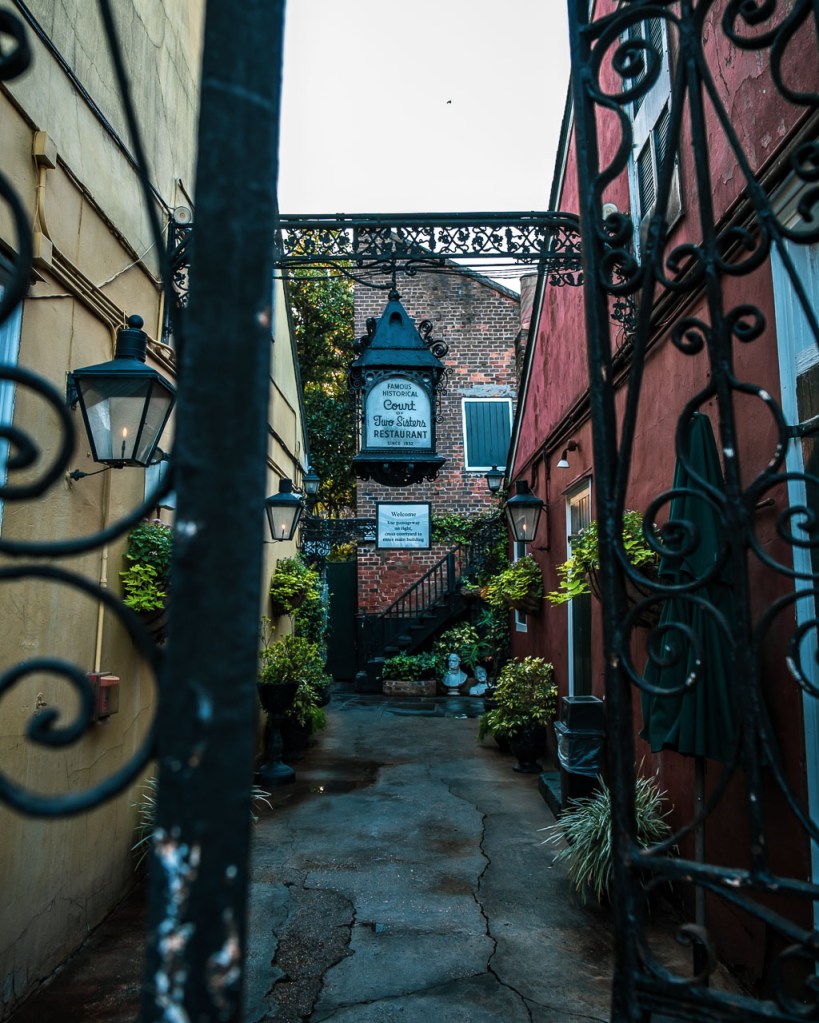
- Courtyard gates that offer tempting glimpses into hidden gardens.
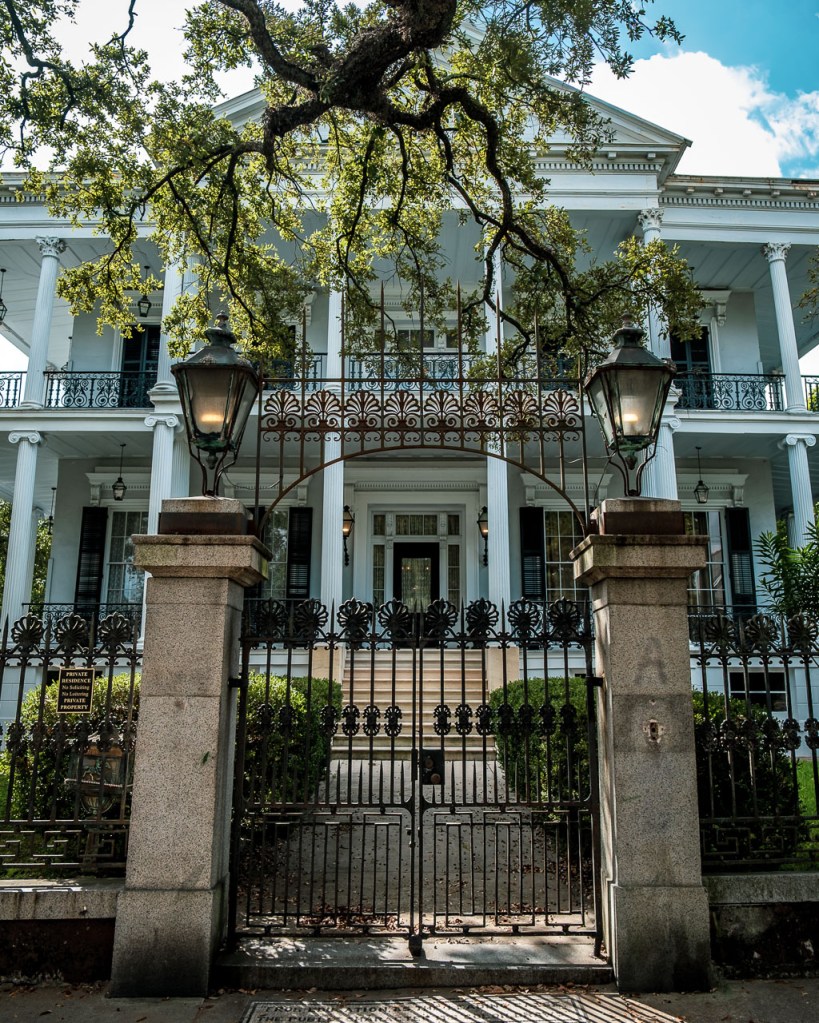
- Decorative ironwork — every curve coil, and fleur-de-lis is different in execution, rewarding close framing.
Tips for photographing French Quarter architecture:
- Go wide for context — capture entire rows of balconies or the rhythm of repeating windows.
- Frame verticals carefully — leaning facades and narrow streets can distort; a little correction in post goes a long way.
- Seek out shadow play — especially at sunrise or sunset when textures pop and ironwork casts dramatic patterns.
- Isolate details — lanterns, keystones, and railings often work best as tight compositions.
Hidden Corners & Details
I certainly enjoyed my fair share of the city’s many Halloween festivities, but when it came to photography, instead of chasing crowds or parades, I focused more on quieter moments in the Quarter. That may not be pertinent to you as much of New Orleans allure comes from those very fêtes. But in the event that the quieter side does appeal to you, keep an eye out for narrow passageways, lone lanterns, and clear shots down long roads free of people and cars. These quieter scenes felt cinematic in the glow of the early morning.
Tips for capturing these atmospheric details:
- Seek symmetry — many doorways and balconies lend themselves naturally to centered, perfectly balanced shots.
- Frame tight compositions to isolate small but striking features.
- Play with contrast — bright neon against dark walls can conjure up a nice drama in your photos.
- Experiment with reflections in puddles or old windows for layered compositions. No rain? No problem. Have a bottle of water on hand and create your own mirror!

Mississippi River at Sunset
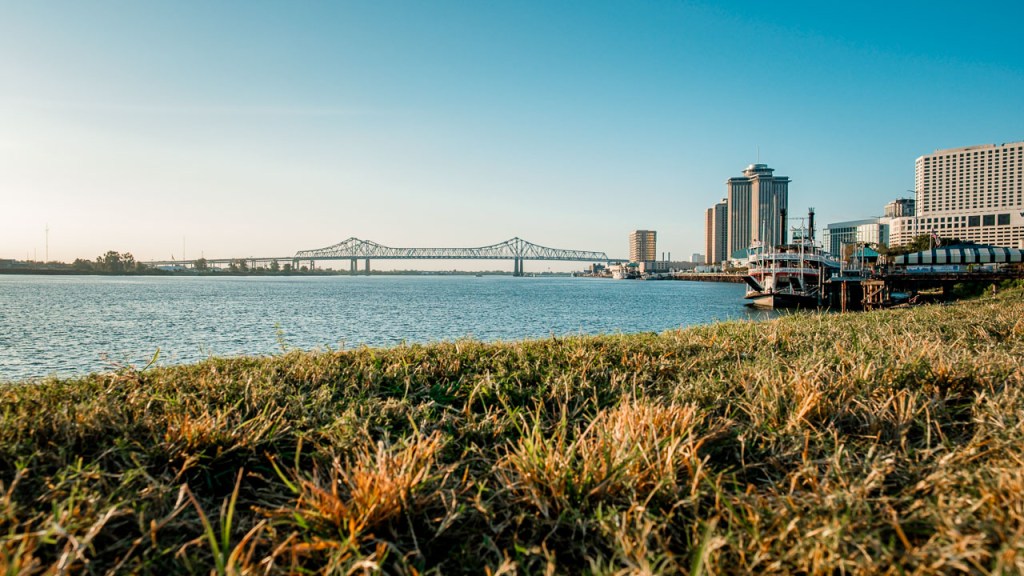
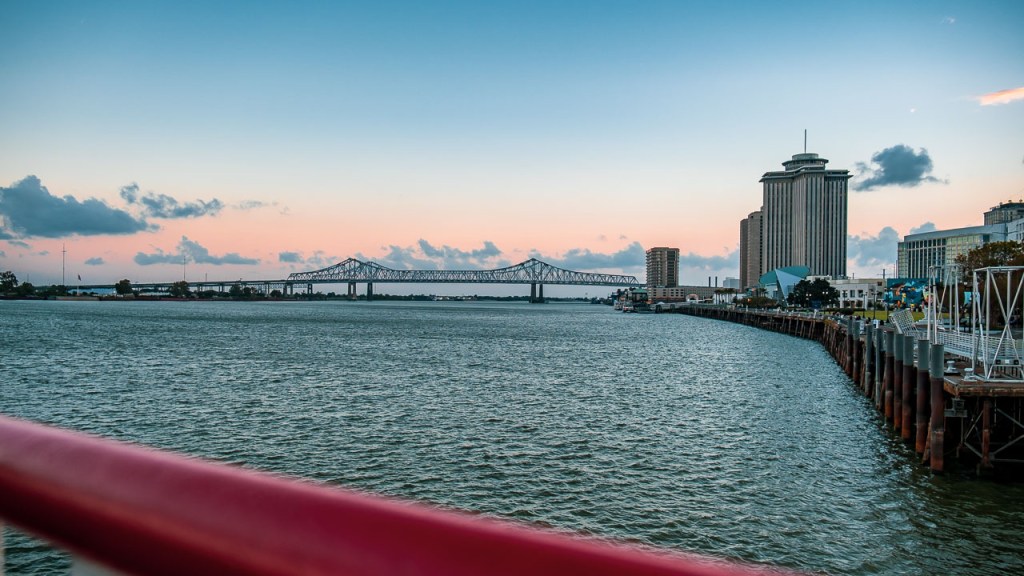
Nearly every evening, I found myself drawn to the grandeur of the great Mississippi. Crescent Park offers sweeping views of the skyline, while the steamboat docks give you vintage silhouettes against a fiery sky. If you’re after more reflective, meditative images, this is a great place to go find them.
Wide-angle lenses captured the immensity of the river, but feel free to zero-in and isolate details like one of the iconic a steamboat river cruises that trail up and down the river.
Best Photography Gear for New Orleans
- 35mm or 50mm prime lens: This is great for low-light shooting, for shallow depth of field portraits or detail shots, and more compact than zooms and typically produce sharper images.
- Wide-angle (16–35mm): This is a solid range for a zoom lens if you choose to go with one. They offer more flexibility and great for landscapes, cityscapes, and a sense of depth and drama
- Lightweight tripod: You’ll be walking a lot, so lightweight gear is ideal. However once darkness falls, that’s when the best shots reveal themselves and you’ll need the stability for crisp low-light shots.
- Lens cloths / wipes: The humidity and occasional rain mean your glass will fog or spot up. A must-have for any destination in all honesty, but New Orleans is no exception.
- Extra batteries: Heat and constant shooting drain them faster than you’d expect. I carried two spares on me and on my early morning ventures into the French Quarter I usually burned through at least one of them by 10:00 – 11:00am.
- Polarizer filter: Helps reduce glare on windows/ironwork and deepens sky color. This is particularly helpful during the brighter hours of the day.
- Fast memory cards: You’ll be taking lots of shots in quick succession and it’s better to have spares than risk filling up.
Key Lessons from Photographing New Orleans
- Embrace imperfection: New Orleans is not a polished city and that’s exactly why it photographs so well. Motion blur from a passing streetcar, grain from pushing your ISO at night, or tilted lines from cramped streets can all add to the mood rather than ruin it. Let the city’s energy shape your images instead of fighting for perfection.
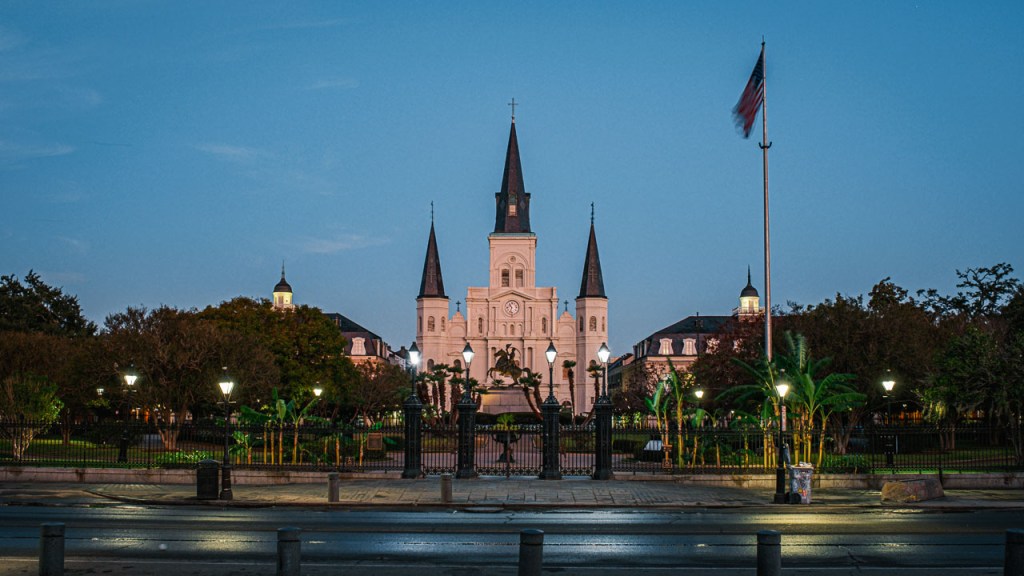
- Shoot mornings for calm, nights for atmosphere: Early mornings in the French Quarter are rare moments of quiet. You’ll find soft light on amber-colored walls, empty courtyards, and still reflections in puddles. By nightfall, the same streets boom under the cast of neon and lantern light. Capturing both can give a more complete story of the city’s dual personality.
- Expect the unexpected: New Orleans has a way of surprising you in both a good and bad way. Its sudden rainstorms can come on just as quickly as the drunken rowdiness of party-goers. Keep your gear simple and your eyes open for both opportunity and trouble. Flexibility is key to catching the city in its unscripted moments while also keeping yourself safe.
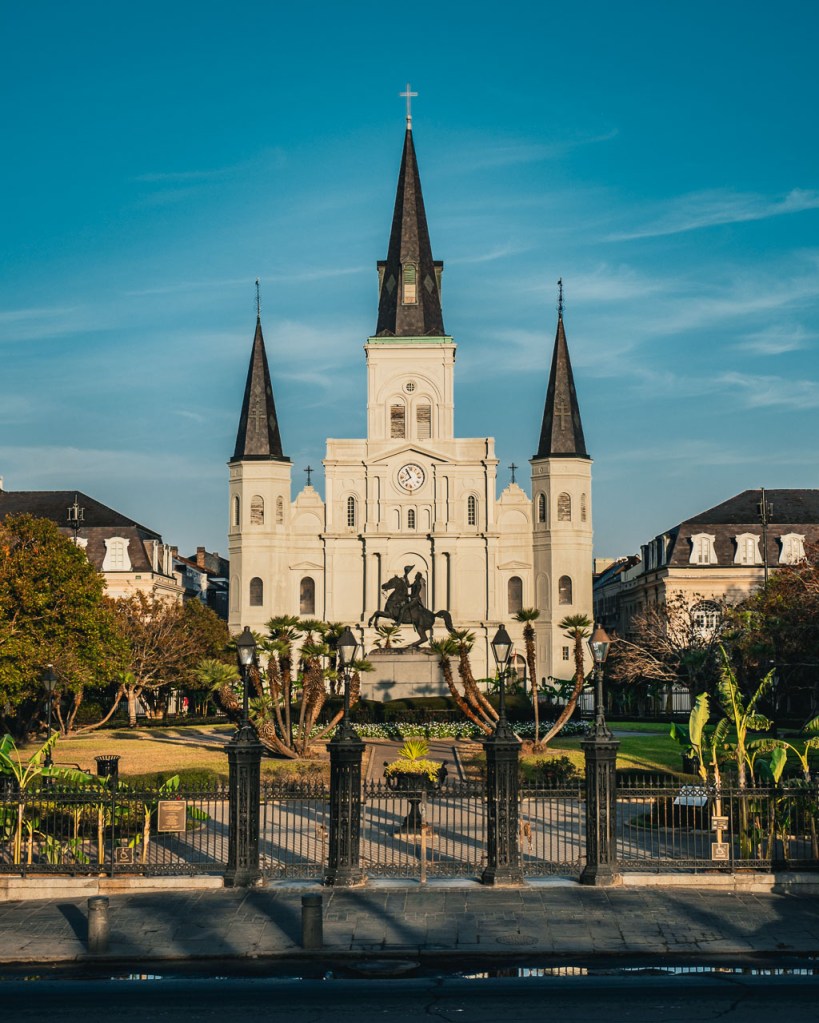
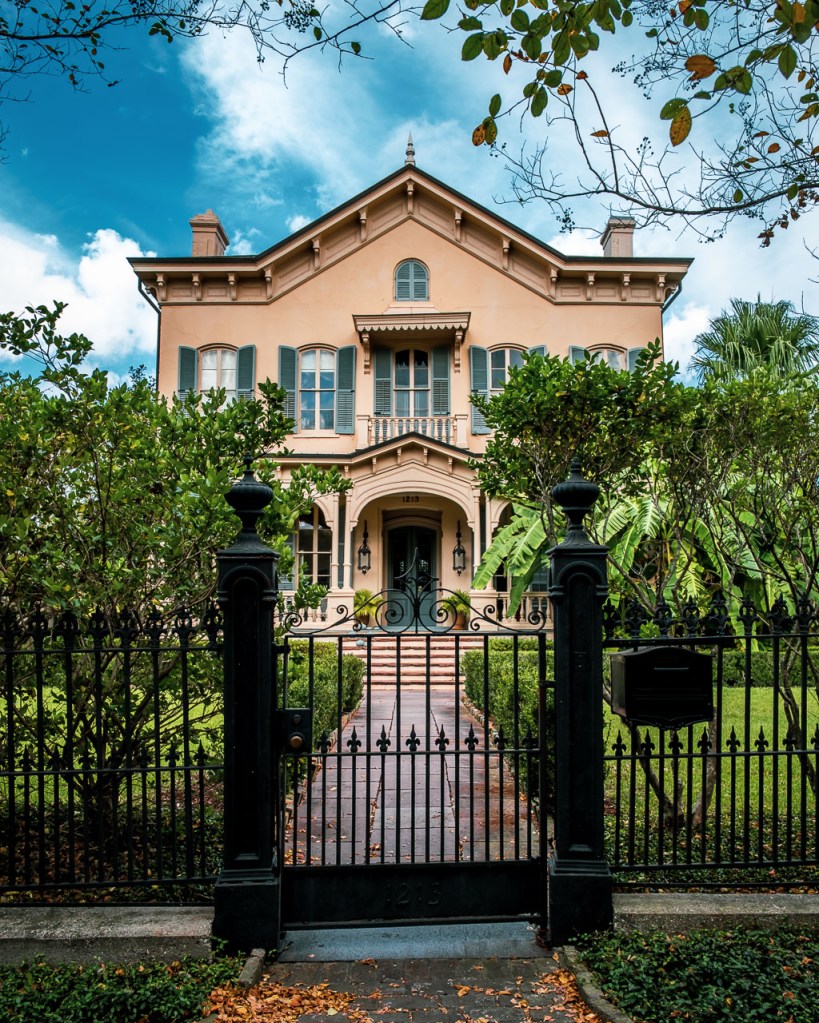
- Focus on architecture and details: The people give New Orleans its heartbeat, but the city itself is a character too, its very vessel in fact. Ornate Pontalba balconies, weathered Creole townhouses, and extravagant Garden District estates all call this place home. Taking time to photograph these various faces of the city connects your images to the timeless side of New Orleans.
Final Thoughts: Why New Orleans Belongs on Every Photographer’s List
Photographing New Orleans during Halloween gave me images I couldn’t have captured anywhere else. And not just photos, but feelings. Between the faint warble of a distant saxophone player as I roamed through the empty Quarter corridors at dawn, and the magnificence of the mighty Mississippi at dusk, the city proved to be a subject brimming with soulfulness.
If you’re searching for the best places to photograph in New Orleans, or wondering when to visit, I can’t recommend late October enough. Bring your camera, an open mind, and a willingness to let the city set the rhythm. The photos will follow.






 Sericography
Leave a comment